Imagine your online store bursting with life-like 3D models that your visitors can explore from every angle. What if your customers could even scan a simple QR code and see your products come alive in augmented reality?
This isn’t just a dream—it’s exactly what you can achieve with Interactive 3D Experiences. By adding stunning, interactive 3D visuals to your site, you grab attention instantly, keep visitors engaged longer, and boost their confidence in your products. Ready to transform your online store and stand out from the competition? Discover how easy it is to upload, customize, and showcase your products with no programming skills needed. Dive into the future of e-commerce with Interactive 3D Experiences and watch your sales soar.
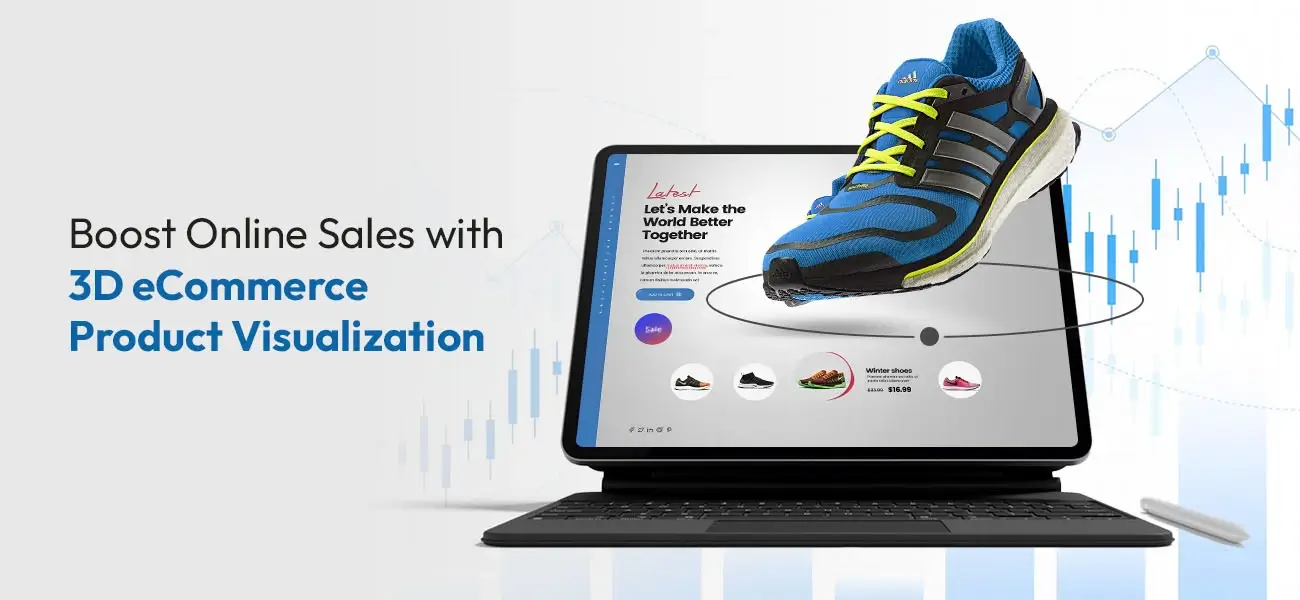
Credit: mapsystemsindia.com
Introduction To 3d Visualization For Online Stores
3D visualization is changing how customers shop online. It offers a clear, interactive view of products. Instead of flat images, shoppers see life-like models they can explore from all angles. This helps buyers feel confident about their choices before purchase. Online stores adopting 3D visualization stand out by providing engaging and detailed product displays.
Interactive 3D Experiences allow sellers to upload and host these models quickly. No coding needed. Users can customize backgrounds and add logos to keep branding strong. The 3D viewer works on any website or e-commerce platform, making it easy to use and share.
Understanding 3d Visualization And Its Purpose
3D visualization creates digital models that represent real products in three dimensions. These models can be rotated, zoomed, and examined closely by customers. The main goal is to offer a realistic shopping experience online. It reduces uncertainty and builds trust.
- Shows product details clearly
- Helps customers understand size and shape
- Makes shopping more interactive and fun
- Supports better buying decisions
This technology is especially useful for products where look and fit matter. For example, furniture, jewelry, or art pieces benefit greatly from 3D views.
How 3d Views Enhance Online Shopping Experiences
3D views create a dynamic way to explore products on online stores. Instead of guessing how an item looks, shoppers control the view themselves. This interaction increases engagement and satisfaction.
- Improved product understanding: Customers see every angle and detail.
- Reduced returns: Clearer views mean fewer surprises after delivery.
- Higher trust: Transparency builds confidence in product quality.
- Brand professionalism: Customizable models with logos boost brand image.
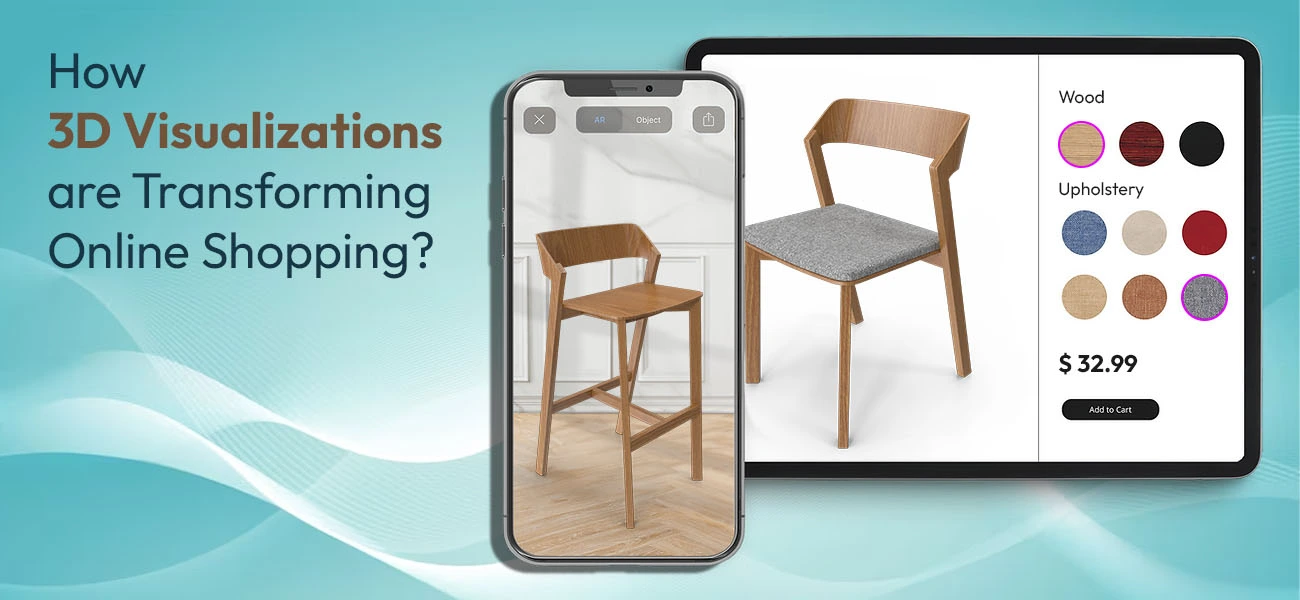
Using Interactive 3D Experiences, stores can embed models easily or share a direct URL. QR codes also let customers view products in augmented reality (AR). This adds another layer of realism and engagement.
Key Features Of 3d Visualization Tools For E-commerce
3D visualization tools transform online shopping by making products more engaging and transparent. They help customers explore items in detail, increasing confidence and satisfaction. These tools bring online stores closer to real-life shopping experiences through interactive and immersive features.
Interactive Product Models: Engaging Customers Through Exploration
Interactive product models allow customers to manipulate and explore products from multiple angles. Users can zoom, rotate, and examine every detail, creating a sense of control and involvement. This hands-on experience reduces uncertainty and encourages purchases.
- Zoom in to see fine details
- Rotate models to view all sides
- Customize product options visually
- Embed easily on any e-commerce site
With tools like the p3d.in viewer, uploading and hosting these models requires no programming skills. Brands can add logos and backgrounds for a professional look.
360-degree Views: Providing Complete Product Transparency
360-degree views let shoppers see products from every angle. This feature mimics in-store browsing, providing full product transparency. Customers feel more confident about their choice, lowering return rates.
| Benefit | Details |
|---|---|
| Full product visibility | View all sides with smooth rotations |
| Enhanced trust | Clear product appearance reduces doubts |
| Easy embedding | Single-line code for quick setup |
Augmented Reality Integration: Bridging Online And Real-world Shopping
Augmented reality (AR) integration lets shoppers place products in their real environment. Scanning a QR code launches the AR view on smartphones or tablets.
- Visualize size and fit in real space
- Interact with products before buying
- Enhances online shopping trust
- No special apps needed, just QR codes
AR bridges the gap between digital and physical shopping, improving customer experience and reducing hesitation.
High-resolution Textures And Details: Increasing Perceived Product Quality
High-resolution textures add realism to 3D models. Fine details like fabric weave, surface finish, and color gradients make products appear premium.
- Boosts product appeal
- Helps customers notice quality features
- Supports brand reputation for excellence
- Works seamlessly in web viewers
Clear, detailed visuals influence buying decisions by showing true product quality.
Pricing And Affordability Breakdown Of 3d Visualization Solutions
3D visualization solutions offer online stores a powerful way to display products. Pricing varies widely based on features, usage, and payment type. Understanding these costs helps businesses choose the best option for their budget and needs. This section breaks down pricing models, return on investment, and scalability.
Subscription Models Vs One-time Payments
Subscription plans usually charge a monthly or yearly fee. They include updates, support, and hosting services. One-time payments are upfront costs for permanent software licenses or tools.
| Payment Type | Pros | Cons | Typical Use |
|---|---|---|---|
| Subscription |
|
| Businesses needing flexibility and support |
| One-Time Payment |
|
| Long-term users with technical resources |
Interactive 3D Experiences offers a subscription model to simplify costs and includes hosting and easy embedding.
Cost-benefit Analysis: Roi From Increased Sales
3D visualization can boost customer engagement and reduce returns. Customers see products in detail, leading to higher confidence and sales.
- Improves product understanding
- Enhances buyer confidence
- Reduces product returns
- Increases time spent on site
Higher engagement often translates to a better conversion rate. The initial cost balances with increased revenue over time. Many users report sales growth after adding 3D models.
Scalable Options For Small To Large Online Retailers
3D solutions adapt to different business sizes. Small stores can start with basic plans and upgrade as they grow. Large retailers need more advanced features and customizations.
- Small retailers: Affordable plans with easy setup and basic features.
- Medium retailers: More customization and multiple product displays.
- Large retailers: Advanced integrations, branding options, and high-volume hosting.
Interactive 3D Experiences supports all sizes by offering flexible plans and no-code embedding. This lets stores scale without complex development or large budgets.
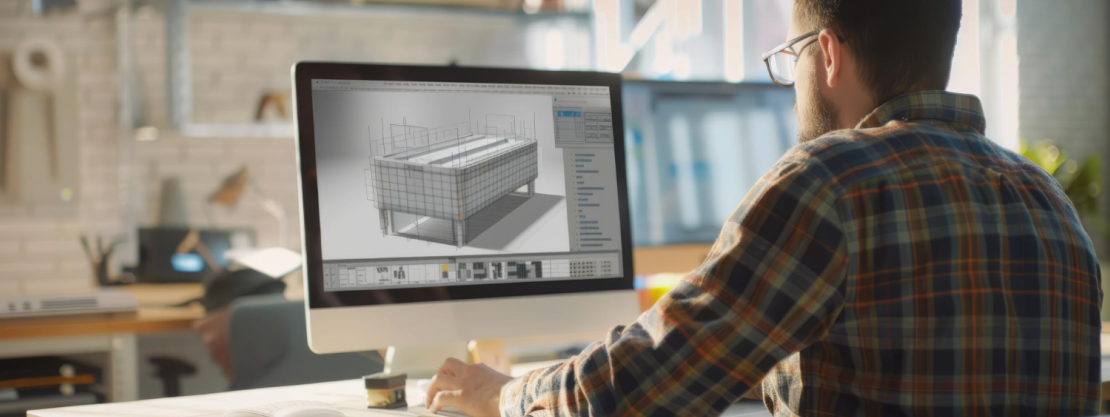
Credit: makdigitaldesign.com
Pros And Cons Of Using 3d Visualization In Online Stores
3D visualization brings a fresh way to display products online. It lets customers see items from all angles. This technology can boost shopping experience but also has some limits. Understanding both sides helps store owners decide if it fits their needs.
Advantages: Enhanced Engagement, Reduced Returns, And Higher Conversion Rates
Enhanced Engagement: Interactive 3D models catch visitors’ attention. Shoppers spend more time exploring products. They can zoom, rotate, and view details closely. This keeps visitors interested longer than static images.
Reduced Returns: Clear 3D views help buyers understand the product better. This lowers surprises after delivery. Fewer misunderstandings mean fewer returns and complaints. Customers feel more confident in their purchase.
Higher Conversion Rates: Seeing products in 3D increases trust. Shoppers are more likely to buy when they visualize items well. This leads to improved sales and better customer satisfaction.
Challenges: Implementation Costs, Technical Requirements, And Learning Curve
Implementation Costs: Setting up 3D visualization needs investment. Creating quality 3D models takes time and money. Small stores might find it expensive at first.
Technical Requirements: 3D content demands good website performance. It needs fast loading and compatibility with devices. Poor setup can slow down the site, hurting user experience.
Learning Curve: Store owners and staff must learn new tools. Managing and updating 3D models requires skills. Training might be necessary to use the technology effectively.
Ideal Users And Scenarios For 3d Visualization Implementation
3D visualization brings products to life online. It shows details that photos cannot capture. This technology suits various businesses and product types. Understanding the best users and scenarios helps make smart choices.
Small Businesses Looking To Differentiate Themselves
Small businesses can stand out by using interactive 3D experiences. It gives their products a unique look online. Shoppers enjoy exploring products from every angle. This builds trust and interest.
Benefits for small businesses include:
- Easy setup with no coding needed
- Custom branding with logos and backgrounds
- Affordable way to compete with bigger stores
- Quick sharing via URL or embed code
This technology helps small stores create a professional image. It attracts customers who want to see real product details before buying.
Large Retailers Seeking To Improve Customer Experience
Large retailers use 3D visualization to make shopping smoother. It improves product presentation and reduces returns. Customers feel confident about their choices.
Key advantages for big retailers:
- Showcase many products with consistent quality
- Integrate easily with existing e-commerce sites
- Offer augmented reality (AR) views via QR codes
- Speed up customer decisions and increase sales
Retailers benefit from better customer engagement and fewer complaints. 3D models provide clear, detailed views that photos miss.
Product Categories That Benefit Most From 3d Visualization
Some product types gain more from 3D visualization. These usually have complex shapes or details. Customers want to examine them closely before buying.
| Product Category | Reason for 3D Use |
|---|---|
| Electronics | Show ports, buttons, and design details |
| Furniture | View size, texture, and color from all sides |
| Jewelry & Accessories | Highlight intricate designs and materials |
| Art & Collectibles | Display craftsmanship and unique features |
| Fashion & Footwear | Show fit, style, and texture details |
These categories get higher customer trust and satisfaction with 3D views.
When And How To Integrate 3d Visualization Into Your Online Store
Start integrating 3D visualization early in your online store setup. Choose products that benefit most first. Use tools that do not require programming skills.
Steps to integrate smoothly:
- Select products to showcase with 3D models
- Create or upload life-like 3D versions
- Customize backgrounds and add your logo
- Embed the 3D viewer with a simple code line
- Share the 3D product URL on social media and emails
Update your store regularly with new 3D models. Test how customers interact with these visuals. Adjust settings for the best user experience.
Credit: professional3dservices.com
Frequently Asked Questions
What Is 3d Visualization For Online Stores?
3D visualization uses digital models to showcase products in a realistic way. It enhances customer experience by allowing detailed views from all angles. This technology helps buyers make better decisions and boosts online sales.
How Does 3d Visualization Improve Online Shopping?
It offers interactive, lifelike product views, increasing buyer confidence. Customers can explore features and textures virtually, reducing return rates. This leads to higher satisfaction and more informed purchases in online stores.
Which Products Benefit Most From 3d Visualization?
Furniture, fashion, electronics, and home decor gain the most from 3D visualization. These items require detailed inspection, which 3D models provide. It helps customers visualize how products fit their needs and spaces.
Is 3d Visualization Cost-effective For Small Online Stores?
Yes, it can be cost-effective by reducing returns and improving sales. Many affordable tools and services now support 3D visualization. Small stores can enhance customer engagement without large upfront investments.
Conclusion
Using 3D visualization helps online stores boost customer interest and trust. Shoppers can see products from every angle before buying. This reduces returns and increases satisfaction. Simple tools like Interactive 3D Experiences let you add life-like 3D models without coding. You can customize backgrounds and add logos to fit your brand. Easy sharing and embedding make setup quick. Try adding 3D visuals to your store to make shopping clearer and more fun.