Imagine your customers not just seeing your products but experiencing them in full 3D right on your website. What if they could rotate, zoom, and even view your items in augmented reality, making their buying decision easier and more exciting?
You have the power to transform your ecommerce store into a dynamic, engaging space that captures attention and builds trust instantly. With Interactive 3D Experiences, you can bring your products to life without any coding skills. This tool lets you upload realistic 3D models, customize their look, and embed them seamlessly on your site. Ready to boost your sales and wow your visitors? Keep reading to discover how adding 3D can elevate your ecommerce game like never before.

Credit: www.dreamstime.com
Introduction To 3d Technology In Ecommerce
3D technology is transforming online shopping by making products come alive. It allows shoppers to view items from every angle, creating a more engaging and realistic experience. This new approach helps customers understand products better, reducing doubts and increasing confidence in their purchases.
Online retailers now use interactive 3D models and augmented reality (AR) to showcase products. These tools bridge the gap between physical and digital shopping, offering a richer experience right from a screen.
Understanding 3d Ecommerce Solutions
3D ecommerce solutions let retailers display life-like, interactive models of their products online. Customers can rotate, zoom, and explore items in detail. Some solutions also offer AR features, allowing shoppers to see products in their own space using a smartphone.
- No programming skills needed to upload 3D models
- Easy embedding into any website or ecommerce platform
- Customization options such as backgrounds and branding
- Sharing via direct URLs or QR codes for AR viewing
These features help businesses create a professional and immersive shopping environment.
Why 3d Matters For Online Retailers
3D models give customers a better sense of product size, shape, and texture. This reduces returns caused by unmet expectations. Shoppers feel more confident buying online, increasing sales and customer satisfaction.
Retailers benefit from:
- Higher engagement with product pages
- Lower return rates
- Stronger brand identity through customized 3D presentations
- Competitive advantage in the ecommerce market
Current Trends Driving 3d Adoption In Ecommerce
Several trends support the rise of 3D ecommerce:
| Trend | Description |
|---|---|
| Increased Mobile AR Usage | More shoppers use smartphones to view products in AR at home. |
| Easy 3D Model Integration | Tools now allow fast embedding without coding skills. |
| Growing Demand for Interactive Content | Consumers prefer rich media over static images. |
| Customization and Branding | Brands use 3D to create unique shopping experiences. |
The combination of these trends encourages retailers to adopt 3D technology faster.
Key Features Of 3d Ecommerce Tools
3D ecommerce tools bring products to life online. They create engaging, interactive experiences that help customers see and understand products better. These tools improve shopping confidence and reduce returns. Below are the key features that make 3D ecommerce tools essential for modern online stores.
Interactive 3d Product Visualization
Interactive 3D product visualization lets shoppers explore products from every angle. Users can rotate, zoom, and interact with life-like 3D models. This feature creates a sense of touching and feeling the product, even through a screen.
- Quick upload and hosting of 3D models without coding
- Customizable backgrounds and environments
- Branding options with company or client logos
- Easy embedding on any website or ecommerce platform
This interaction builds trust and helps customers make faster buying decisions.
Augmented Reality Integration
Augmented Reality (AR) integration lets customers view products in their real space using a smartphone or tablet. They scan a QR code and see the product as if it is physically present.
- View products in true size and scale
- Test how products fit into home or office settings
- Enhance user engagement by blending virtual and real worlds
- No programming required to enable AR features
AR offers a powerful way to reduce uncertainty before buying.
360-degree Product Views
360-degree views give customers a complete look at products. They can spin items around smoothly and see details from every side.
| Benefit | Description |
|---|---|
| Full Product Visibility | Customers inspect all sides and angles easily. |
| Improved User Experience | Simple controls keep users engaged longer. |
| Increased Purchase Confidence | Clearer views reduce doubts and returns. |
Customization And Personalization Options
Customization features let shoppers modify products in real time. They can change colors, materials, and other attributes.
- Choose from preset color palettes or upload custom colors
- Apply logos or text to personalize products
- Preview changes instantly within the 3D model
- Save or share customized designs easily
Personalization increases customer satisfaction and encourages repeat visits.
Benefits Of 3d Features For Ecommerce Businesses
3D features bring a new dimension to ecommerce platforms. They allow customers to interact with products in a realistic way. This interaction improves how shoppers feel about the product and the store.
Using Interactive 3D Experiences lets ecommerce sites show detailed, life-like models. These models can be viewed from all angles or even in augmented reality by scanning a QR code. This technology makes online shopping feel closer to in-store shopping.
Enhancing Customer Engagement And Experience
3D models create a more engaging shopping experience. Customers can rotate, zoom, and explore products deeply. This active involvement keeps visitors on the site longer.
- Offers real-time product interaction
- Makes product details clearer
- Supports brand customization with logos and backgrounds
Such experiences build trust and increase satisfaction. Shoppers feel more connected to the product before buying.
Reducing Product Return Rates
Clear product visualization lowers the chance of returns. Customers understand the product better before purchase.
| Benefit | Impact |
|---|---|
| Detailed 3D views | Reduces size and look misunderstandings |
| Augmented reality previews | Shows products in real settings |
| Customizable views | Matches customer expectations |
Lower returns save businesses money on shipping and restocking.
Improving Purchase Confidence
3D features help customers feel sure about buying. They see exactly how the product looks and works.
- View products from all angles
- Examine textures and colors closely
- Use AR to visualize products at home
This clarity reduces doubts and hesitation. Shoppers decide faster and with more confidence.
Increasing Conversion Rates And Sales
Interactive 3D models turn casual visitors into buyers. Engagement and clarity lead to more completed purchases.
- Longer site visits improve conversion chances
- Better product understanding drives sales
- Unique 3D experiences set stores apart
Many ecommerce businesses see higher sales after adding 3D features. These tools create a shopping experience customers trust and enjoy.
Pricing And Affordability Of 3d Ecommerce Solutions
3D ecommerce solutions offer interactive and engaging ways to showcase products. Pricing varies based on features, usage, and business size. Understanding costs helps businesses plan better and choose suitable options. Affordability depends on the balance between initial spend and long-term benefits.
Overview Of Pricing Models
Most 3D ecommerce tools use flexible pricing models. Common structures include:
- Subscription-based: Pay monthly or yearly fees for access and updates.
- Pay-per-model: Fees charged for each 3D model uploaded or hosted.
- Tiered plans: Different levels offer varied features, limits, and support.
- One-time license: Single payment for lifetime access, often with optional upgrades.
For example, Interactive 3D Experiences uses simple embed code and hosting, with pricing aligned to usage and customization needs.
Cost Vs. Roi Analysis
Investing in 3D ecommerce can increase customer engagement and sales. Here are key points:
- Higher conversion rates: Shoppers spend more time interacting with products.
- Reduced return rates: Better product visualization lowers purchase mistakes.
- Brand differentiation: 3D models create a unique, professional look.
Costs vary from a few hundred to thousands of dollars annually. Return on investment (ROI) depends on increased sales and customer loyalty.
| Cost Range | Expected ROI | Business Type |
|---|---|---|
| $100 – $500/year | 10-20% sales increase | Small businesses, startups |
| $500 – $2000/year | 20-40% sales increase | Medium-sized businesses |
| $2000+/year | 40%+ sales increase | Large enterprises |
Budget-friendly Options For Small To Medium Businesses
Many 3D ecommerce solutions fit smaller budgets without sacrificing quality. Tips for affordability include:
- Choose platforms with free trials or demo versions.
- Start with basic plans and upgrade as needed.
- Use ready-made backgrounds and templates to reduce costs.
- Embed 3D models with simple code, avoiding expensive custom development.
Interactive 3D Experiences offers easy setup and no coding skills required. This makes it ideal for small to medium businesses aiming to enhance their ecommerce presence affordably.
Pros And Cons Of Implementing 3d In Ecommerce
Adding 3D technology to ecommerce can change how customers see products online. It offers a fresh way to showcase items with interactive visuals. Yet, using 3D also brings some challenges. Understanding both sides helps businesses decide if 3D fits their online store.
Advantages Based On Real-world Usage
Interactive 3D Experiences let visitors explore products from all angles. Customers can zoom in and rotate models to see details clearly.
- Boosts engagement: Shoppers spend more time on product pages.
- Improves confidence: Customers feel sure about what they buy.
- Reduces returns: Clear views lower the chance of product dissatisfaction.
- Easy integration: Embed code allows quick setup without programming skills.
- Customizable branding: Add company logos or custom backgrounds for a professional look.
- Augmented Reality (AR) support: QR codes let users view products in their real space.
- Works on various websites: Compatible with most ecommerce platforms.
Thousands of users trust tools like the p3d.in viewer to create stunning 3D product displays.
Challenges And Limitations To Consider
3D ecommerce tools demand more from website performance. Large 3D files can slow page loading times. This might frustrate visitors with slow internet.
| Challenge | Description | Impact |
|---|---|---|
| Loading Speed | High-quality 3D models require more data to load. | Slower pages can reduce user satisfaction and sales. |
| Technical Skills | Some customization needs basic design or coding knowledge. | May require extra time or help from specialists. |
| Device Compatibility | Older devices might struggle to display 3D content smoothly. | Limited audience reach on outdated hardware. |
| Cost | Creating and hosting 3D models can add expenses. | Smaller businesses might find it hard to invest. |
Despite these challenges, careful planning and choosing the right tools can ease many issues.
Credit: www.zealousxr.com
Ideal Users And Scenarios For 3d Ecommerce Adoption
3D ecommerce offers a powerful way to present products online with interactive, life-like models. It suits businesses that want to boost engagement and help customers explore products in detail. This technology fits especially well for companies that sell items benefiting from visual interaction and closer inspection.
Choosing 3D ecommerce depends on the type of product and the shopping experience you want to create. It works best when customers need to see texture, shape, or size variations clearly. The right use of 3D can lead to better understanding, higher confidence, and fewer returns.
Best Fit Industries And Product Types
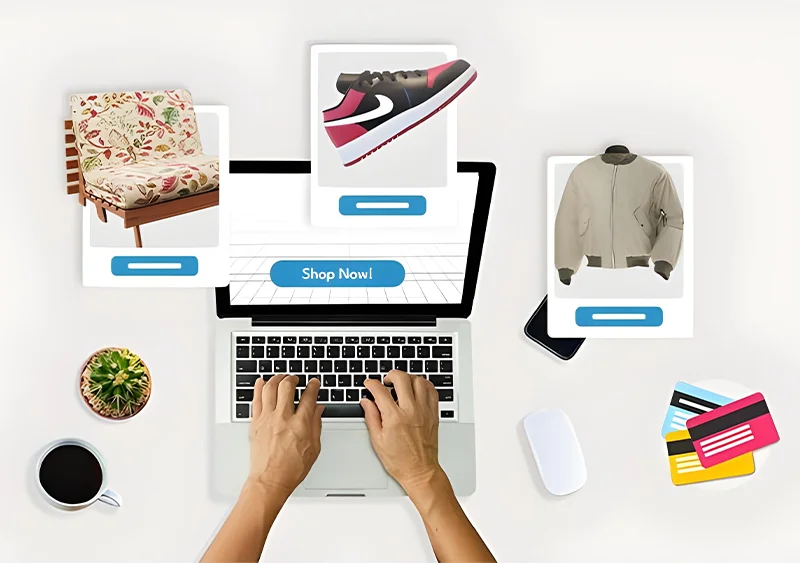
- Furniture & Home Decor: Showcases detailed textures and dimensions, helping buyers visualize pieces in their space.
- Fashion & Accessories: Displays clothing, shoes, and jewelry with zoom and rotation for style and fit inspection.
- Electronics & Gadgets: Highlights product features and design from every angle, making tech specs easier to grasp.
- Art & Collectibles: Allows customers to examine fine details and craftsmanship of unique items.
- Automotive Parts: Helps verify compatibility and fitment by viewing parts in 3D.
Use Cases That Maximize 3d Benefits
- Interactive Product Demos: Let visitors rotate, zoom, and customize products to fit their needs.
- Augmented Reality (AR) Previews: Customers scan QR codes to see products in their environment.
- Customization Tools: Users change colors, materials, or add logos to tailor products.
- Virtual Showrooms: Create online spaces where shoppers explore collections naturally.
- Educational Displays: Explain complex product features through interactive 3D animations.
How To Evaluate If 3d Is Right For Your Business
Start by assessing your product’s visual complexity. Products with many details or variations benefit most.
Consider customer behavior. Do shoppers want to examine items closely before buying?
Check your website’s capacity to support 3D content smoothly. Fast loading and easy interaction are key.
| Evaluation Factor | Questions to Ask | Signs 3D Fits |
|---|---|---|
| Product Type | Are details and textures important? | Yes, especially for furniture, fashion, or art. |
| Customer Needs | Do buyers want to see products from all angles? | Yes, if customers value in-depth product examination. |
| Technical Setup | Can your site handle interactive 3D models? | Yes, with optimized viewers like p3d.in embedded easily. |
Test small projects with Interactive 3D Experiences to measure impact. This tool offers quick setup and no programming needs. It helps decide if 3D brings value to your ecommerce store.
Conclusion: Maximizing Ecommerce Success With 3d Technology
3D technology transforms ecommerce by creating engaging and interactive shopping experiences. It helps customers see products from every angle, increasing confidence and reducing returns. Integrating 3D visuals makes online stores more attractive and user-friendly, boosting sales and customer satisfaction.
Interactive 3D Experiences offer simple tools to add life-like 3D models and augmented reality views to any website. This technology fits all ecommerce niches without needing programming skills, making it accessible for small and large businesses alike.
Summary Of Key Takeaways
- 3D models improve product visualization and customer trust.
- Augmented reality (AR) lets customers interact with products in real space.
- Easy embedding options require no coding knowledge.
- Customizable backgrounds and branding enhance professional presentation.
- Increased engagement leads to higher conversion rates and fewer returns.
Future Outlook For 3d In Online Retail
The use of 3D technology in ecommerce will grow steadily. More brands will adopt interactive models and AR to meet consumer demand for immersive shopping.
Advances in mobile and web technology will make 3D experiences faster and more accessible. Expect improved tools for customization and integration across all online platforms.
Virtual try-ons, product customization, and virtual stores will become common features that enrich the buying journey.
Steps To Get Started With 3d Ecommerce
- Choose a 3D platform: Select a service like Interactive 3D Experiences that supports easy uploads and hosting.
- Create 3D models: Convert your products into life-like 3D visuals or use existing models.
- Customize appearance: Add backgrounds and brand logos to match your store’s style.
- Embed on your site: Use a single line of embed code or share direct URLs with your customers.
- Promote interactivity: Encourage customers to explore products in AR via QR codes.
Following these steps helps ecommerce stores stand out and build customer confidence.

Credit: www.keyshot.com
Frequently Asked Questions
What Is 3d Technology In Ecommerce?
3D technology in ecommerce allows customers to view products in three dimensions. It enhances online shopping by providing interactive, realistic product visuals. This helps buyers make informed decisions and increases engagement, leading to higher conversion rates and reduced return rates.
How Does 3d Improve Online Product Visualization?
3D improves product visualization by offering detailed, 360-degree views. Shoppers can zoom, rotate, and explore products from all angles. This immersive experience mimics in-store shopping, builds trust, and helps customers better understand product features and quality.
Can 3d Ecommerce Boost Customer Engagement?
Yes, 3D ecommerce significantly boosts customer engagement. Interactive 3D models keep users on websites longer and encourage exploration. This active involvement increases interest, enhances user experience, and ultimately drives more sales and customer loyalty.
Is 3d Ecommerce Cost-effective For Businesses?
3D ecommerce can be cost-effective by reducing product returns and increasing sales. Initial investment in 3D modeling pays off through better customer satisfaction. It also differentiates brands, attracting tech-savvy shoppers and improving overall online store performance.
Conclusion
Enhancing ecommerce with 3D brings products to life online. Shoppers can explore items from every angle, boosting confidence. Interactive 3D Experiences make adding these models simple and fast. No coding skills are needed to create engaging displays. Your website visitors will enjoy a more vivid, realistic view. This technology helps your products stand out and feel real. Try out Interactive 3D Experiences to enrich your ecommerce site today.