Are you ready to take your agency business to the next level? Understanding the right strategies can make all the difference between struggling to find clients and running a thriving agency.
Whether you’re just starting out or looking to grow, mastering effective agency business strategies will help you attract more clients, streamline your operations, and boost your profits. Imagine having a clear, step-by-step plan that shows you exactly what to do—from setting up your agency to closing high-value deals. If that sounds like what you need, check out The Ultimate Agency Masterclass, a comprehensive 5-hour video training designed to guide you through every stage of building a successful agency from scratch. Keep reading to discover proven tactics that can transform your agency and set you up for lasting success.
Introduction To Agency Business Strategies
Building a successful agency requires more than just skills or creativity. It demands clear business strategies tailored to the unique agency environment. This section introduces key ideas to help agencies thrive and grow steadily.
Effective strategies address both the current market landscape and common growth obstacles. Understanding these factors lays the foundation for smart planning and sustainable success.
Understanding The Agency Landscape And Growth Challenges
The agency world is competitive and fast-moving. Agencies face challenges such as:
- High client expectations
- Rapid market changes
- Talent retention
- Scaling services without losing quality
Agencies often start small but need to adapt quickly to expand. Knowing the market trends and client needs helps in making informed decisions.
Many agencies struggle with:
- Balancing project delivery with business growth
- Managing cash flow during expansion
- Building a strong brand in a crowded market
Addressing these challenges early ensures a smoother growth path.
Why Strategic Planning Is Crucial For Rapid Expansion
Strategic planning acts as a roadmap. It guides agencies through growth phases clearly and confidently.
Benefits of strategic planning include:
| Benefit | Impact on Agency Growth |
|---|---|
| Clear Goals | Focuses efforts on priority tasks |
| Resource Management | Optimizes team and budget use |
| Risk Reduction | Prepares for market changes |
| Client Retention | Improves service quality and satisfaction |
Without planning, agencies risk wasted resources and missed opportunities. A strategic plan supports steady client growth and team development.
Agencies benefit by:
- Setting measurable targets
- Tracking progress regularly
- Adjusting tactics based on real data
This approach keeps agencies agile and focused on long-term success.
Key Growth Tactics For Agencies
Growing an agency requires smart strategies and clear focus. Success depends on how well an agency can stand out, keep clients happy, and run smoothly. Agencies must also use marketing that targets the right audience with the right message. Below are key tactics that help agencies grow steadily and build strong foundations.
Leveraging Niche Specialization To Stand Out
Choosing a niche helps an agency become an expert in a specific area. This focus creates a clear identity and attracts clients needing specialized services.
- Identify a market segment with demand but low competition.
- Develop deep knowledge about that niche’s challenges and solutions.
- Create marketing messages that speak directly to niche clients.
- Showcase case studies and results in the chosen niche.
This approach builds trust quickly and reduces effort spent chasing broad leads.
Building Strong Client Relationships For Repeat Business
Long-term clients are vital for steady income. Agencies should focus on communication and exceed expectations to keep clients coming back.
- Regular updates: Keep clients informed about progress.
- Personalized service: Understand each client’s unique needs.
- Ask for feedback: Use it to improve and show care.
- Offer value-added services: Surprise clients with extra help.
Strong relationships lead to referrals and ongoing projects.
Implementing Scalable Operational Processes
Scalability means the agency can grow without breaking. Efficient processes reduce errors and save time.
| Process Area | Scalable Practice | Benefit |
|---|---|---|
| Project Management | Use tools like Asana or Trello | Track tasks and deadlines easily |
| Client Onboarding | Automate forms and welcome emails | Smooth start for every client |
| Reporting | Set up templates for regular updates | Save time on client communication |
Well-planned operations support growth without chaos.
Utilizing Data-driven Marketing For Targeted Outreach
Data helps agencies find and reach the right audience with precision. Marketing efforts become smarter and less wasteful.
- Analyze customer data to learn who buys services.
- Segment audiences based on behavior and interests.
- Create targeted ads or emails for each segment.
- Track campaign results and adjust strategies fast.
This method improves conversion rates and lowers marketing costs.
Innovative Tools And Technologies To Accelerate Growth
Agencies that use modern tools and technology grow faster and work smarter. These tools save time, reduce errors, and improve client satisfaction. They help teams stay organized and focused. Using the right tech can give your agency a clear advantage in a crowded market.
Adopting Automation For Efficiency And Consistency
Automation handles repetitive tasks like emails, social media posting, and reporting. It cuts down manual work and keeps your processes consistent. Automation tools can:
- Schedule posts and campaigns ahead of time
- Send follow-up emails automatically
- Generate reports without human error
These benefits free up your team to focus on creative work and strategy.
Using Crm Systems To Enhance Client Management
Customer Relationship Management (CRM) software helps track all client information in one place. It improves communication and builds stronger relationships. Key features include:
- Contact and lead tracking
- Task and project management
- Automated reminders and follow-ups
CRM tools also provide insights on client behavior and preferences. This helps tailor your services to each client’s needs.
Integrating Analytics Platforms For Performance Tracking
Analytics platforms collect data from campaigns and projects. They help measure what works and what doesn’t. Agencies can use these insights to:
- Track website traffic and user behavior
- Analyze social media engagement
- Monitor advertising ROI
Clear dashboards and reports make it easy to understand results and improve future strategies.

Credit: www.addsomehotsauce.com
Pricing Strategies And Profit Optimization
Pricing strategies play a crucial role in agency success and profit growth. Setting the right price means balancing client expectations and business goals. Effective pricing maximizes revenue while keeping clients happy. Profit optimization depends on how well agencies align prices with the value they deliver.
Agencies must choose pricing models that fit their services and market. They also need to clearly show the impact of their work to justify fees. Balancing affordability with high-quality results keeps clients loyal and referrals coming.
Competitive Pricing Models That Maximize Revenue
Agencies use various pricing models to stay competitive and increase income. Here are common approaches:
- Hourly Pricing: Charging by the hour, simple but can limit profits.
- Project-Based Pricing: Fixed price for specific projects, good for clear scopes.
- Retainer Pricing: Monthly fees for ongoing services, ensures steady income.
- Performance-Based Pricing: Fees linked to results, motivates both parties.
Choosing the right model depends on service type and client needs. Testing and adjusting pricing helps find the best fit.
Value-based Pricing To Reflect Service Impact
Value-based pricing charges clients based on the benefit they get. It focuses on the results and impact rather than hours worked.
This model requires agencies to:
- Understand client goals and challenges deeply.
- Measure potential value created by the service.
- Set prices that match the client’s perceived worth.
Value-based pricing builds trust and encourages agencies to deliver top results. It often leads to higher profits than traditional methods.
Balancing Affordability With Quality Deliverables
Agencies must price their services so clients feel the cost is fair. Low prices might attract clients but can reduce profit and quality. High prices can limit clients but allow better service and resources.
Strategies to balance pricing and quality include:
- Offering tiered packages with different service levels.
- Clearly explaining what each package includes and its benefits.
- Providing case studies or testimonials to prove value.
Balancing affordability and quality keeps clients satisfied and builds long-term agency growth.
Pros And Cons Of Popular Growth Approaches
Choosing the right growth approach shapes an agency’s future. Each strategy offers unique benefits and challenges. Understanding these helps agencies grow smartly and sustainably. Below, key growth methods are analyzed to guide your decisions.
Advantages Of In-house Vs. Outsourced Growth Initiatives
In-House Growth Initiatives allow full control over processes and culture. Teams align closely with company goals and values.
- Better communication: Direct contact speeds decision-making.
- Custom strategies: Tailored plans fit unique business needs.
- Skill development: Employees grow expertise internally.
However, in-house growth demands more resources and time. Hiring and training slow progress and increase costs.
Outsourced Growth Initiatives save time and offer specialized skills quickly.
- Access to experts: Agencies gain advanced marketing or sales know-how.
- Cost-effective: Avoids expenses of full-time staff.
- Scalability: Easily adjust support based on needs.
Outsourcing risks include less control and potential misalignment with company culture.
| Aspect | In-House | Outsourced |
|---|---|---|
| Control | High | Moderate |
| Cost | Higher (due to salaries) | Lower (pay per project) |
| Speed | Slower (training needed) | Faster (experts ready) |
| Flexibility | Limited | High |
Risks Associated With Rapid Scaling
Rapid scaling can overwhelm agency resources. Mistakes increase when growth outpaces capacity.
- Quality drop: Deliverables may suffer due to rushed work.
- Cash flow issues: Expenses rise before new income arrives.
- Team burnout: Stress and workload spike lead to turnover.
- Client dissatisfaction: Service inconsistency damages reputation.
Scaling too fast can cause long-term damage. Growth must match operational strength.
Common Pitfalls And How To Avoid Them
Agencies face several pitfalls during growth. Awareness helps prevent costly errors.
- Poor planning: Define clear goals and track progress constantly.
- Ignoring cash flow: Keep close tabs on income and expenses.
- Overpromising: Set realistic client expectations only.
- Neglecting team culture: Maintain morale with good communication and support.
- Skipping training: Invest in skill upgrades for sustained quality.
Use tools like The Ultimate Agency Masterclass to build strong foundations. It offers step-by-step guides to avoid these pitfalls while growing your agency.
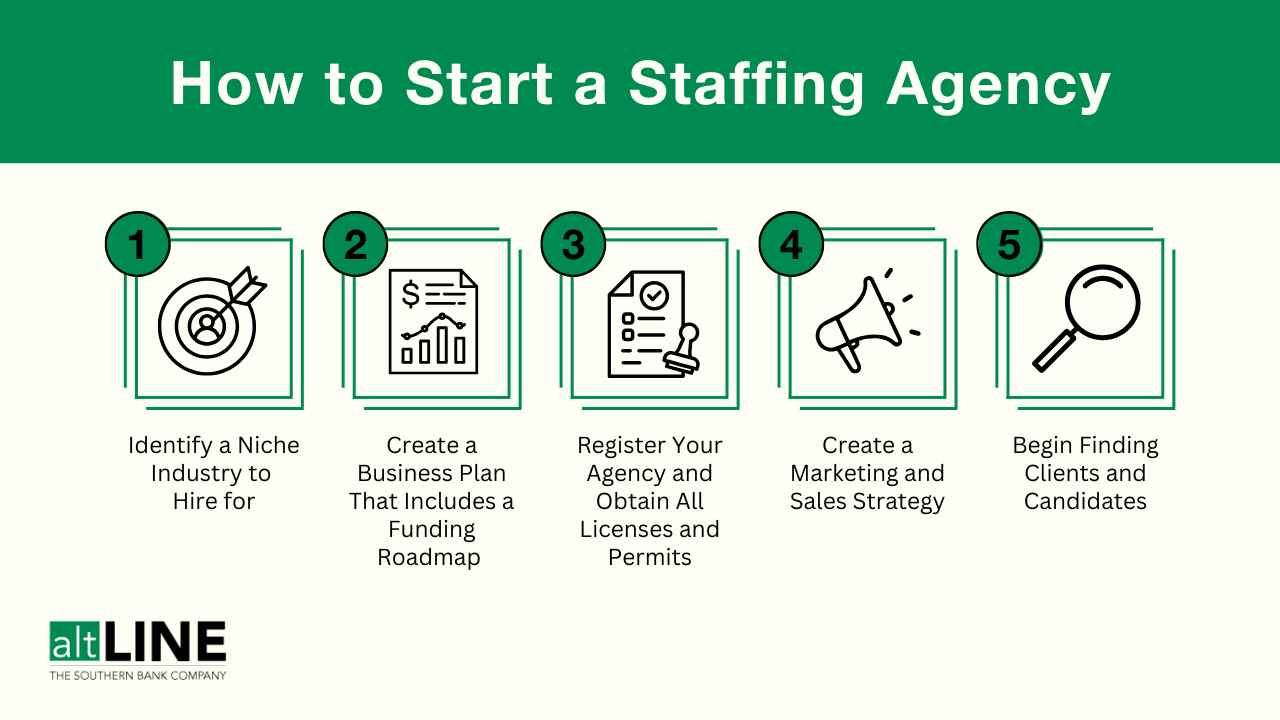
Credit: altline.sobanco.com
Tailored Recommendations For Different Agency Types
Different agencies face unique challenges and opportunities. Custom strategies help agencies thrive in their specific fields. Tailoring business approaches improves efficiency and client satisfaction.
Strategies Best Suited For Creative Agencies
Creative agencies excel in design, branding, and storytelling. Their strategies focus on innovation and building a strong portfolio.
- Showcase diverse projects: Use visual case studies to highlight creativity.
- Build a strong brand identity: Consistent branding attracts ideal clients.
- Collaborate with influencers: Expand reach through partnerships.
- Offer flexible pricing: Adapt to project scope and client needs.
Creative agencies benefit from a culture that encourages experimentation. Encourage team brainstorming and creative workshops.
Growth Tactics For Digital Marketing Agencies
Digital marketing agencies focus on measurable results like traffic and conversions. Growth depends on data and automation.
| Key Tactic | Description | Benefit |
|---|---|---|
| Leverage analytics tools | Track campaign performance continuously | Optimize ROI and client satisfaction |
| Use marketing automation | Automate repetitive tasks like emails | Save time and improve consistency |
| Focus on niche markets | Target industries with high demand | Stand out and reduce competition |
Regular training on new tools keeps teams sharp. Stay updated on SEO, PPC, and social trends.
Approaches For Consulting And Service-based Agencies
Consulting and service agencies build trust and long-term relationships. Clear communication and expertise matter most.
- Develop customized solutions: Tailor advice to client needs.
- Offer ongoing support: Maintain contact after project delivery.
- Use testimonials and case studies: Show proof of success.
- Implement efficient project management: Track progress and deadlines carefully.
Building authority in a niche helps attract ideal clients. Share knowledge through blogs and webinars.
Conclusion: Crafting A Sustainable Growth Roadmap
Building a lasting agency business demands a clear plan for steady growth. The focus must blend rapid progress with a solid foundation. This approach secures the agency’s future and adapts to changing markets.
Success comes from balancing bold moves with careful planning. Growth should not outpace the agency’s ability to maintain quality and service. A sustainable roadmap guides every decision, ensuring consistent progress.
Balancing Aggressive Growth With Long-term Stability
Aggressive growth drives quick wins but carries risks. Long-term stability protects the agency from sudden setbacks. Agencies should:
- Set realistic targets aligned with resources and market conditions.
- Invest in core strengths like client relationships and team skills.
- Manage cash flow to avoid financial stress during expansion.
- Maintain service quality to keep client trust and reputation strong.
Balancing these factors creates a growth path that is both ambitious and secure.
Continuous Improvement And Adaptation For Ongoing Success
Markets and client needs evolve quickly. Agencies must improve and adapt constantly to stay relevant. Key practices include:
- Regular training for team members to upgrade skills and knowledge.
- Feedback loops to learn from clients and refine services.
- Tracking key metrics to spot trends and adjust strategies.
- Experimenting with new tools and methods to boost efficiency.
Continuous improvement keeps the agency competitive and ready for future challenges.
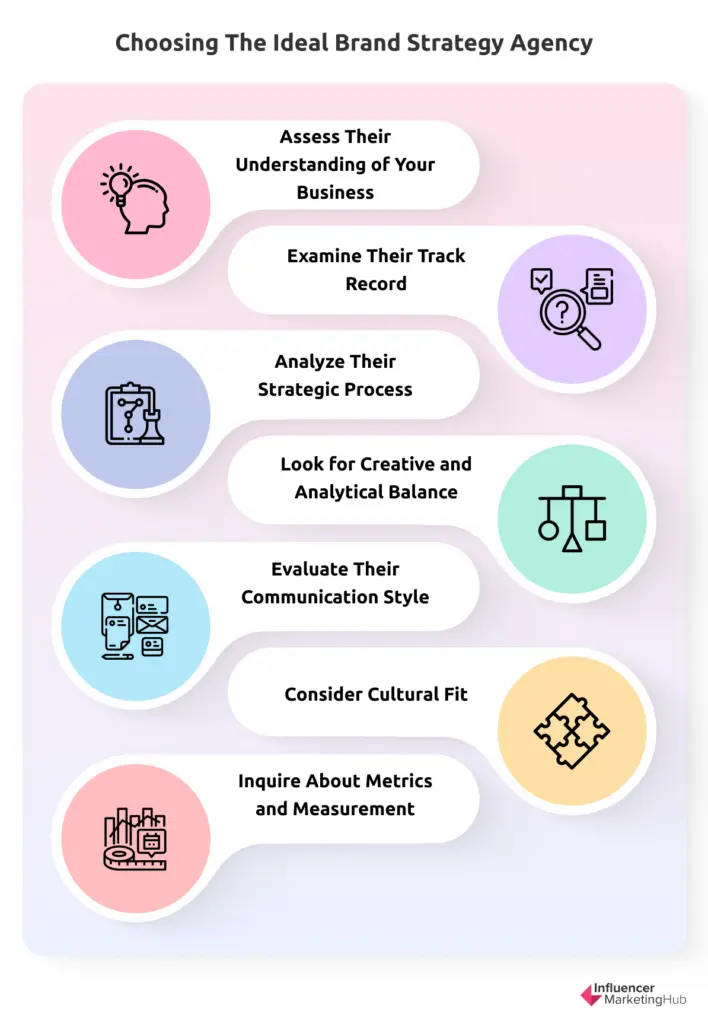
Credit: influencermarketinghub.com
Frequently Asked Questions
What Are The Key Agency Business Strategies?
Key strategies include client focus, clear communication, innovation, and data-driven decision-making. Agencies must adapt to market trends for growth.
How Do Agencies Improve Client Relationships?
Agencies improve relationships by understanding client needs, providing regular updates, and delivering quality results consistently. Transparency and trust are crucial.
Why Is Digital Marketing Vital For Agencies?
Digital marketing boosts agency visibility, attracts clients, and drives lead generation. It offers measurable results and cost-effective promotion.
How Can Agencies Optimize Operational Efficiency?
Agencies optimize efficiency by streamlining workflows, using automation tools, and fostering team collaboration. This reduces costs and improves project delivery.
Conclusion
Effective agency business strategies build strong foundations for growth. Focus on clear goals and consistent actions. Keep learning and adapting to market changes. Strong client relationships lead to lasting success. For deeper insights, consider exploring The Ultimate Agency Masterclass. This course offers step-by-step guidance to start your agency from scratch. Practical and easy to follow, it suits beginners well. Take small steps daily to improve your agency’s future. Success comes with patience and smart planning.