Are you struggling to find the perfect platform to keep your team connected and productive? Choosing between Edworking and Microsoft Teams can feel overwhelming, especially when both promise to streamline your work life.
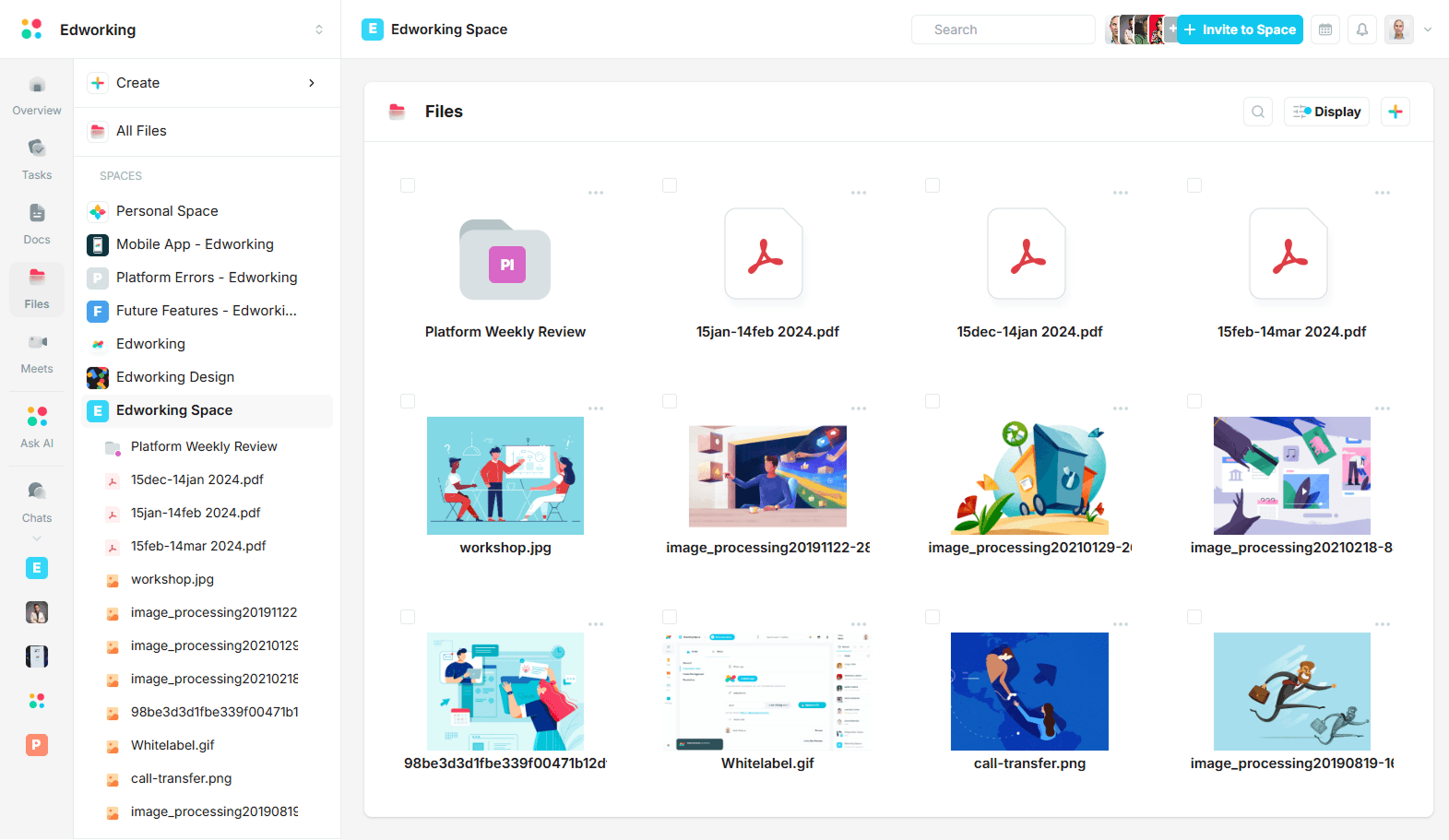
But what if you could have all your tasks, files, video calls, chats, docs, and stories organized seamlessly in one place? That’s exactly what Edworking offers. Ready to discover which tool fits your style and boosts your team’s efficiency? Keep reading to see how Edworking stacks up against Microsoft Teams and why it might be the game-changer you’ve been searching for. Check out Edworking here: https://glinthive.com/edworking
Credit: edworking.com
Introduction To Edworking And Microsoft Teams
Choosing the right collaboration tool shapes how teams work every day. Edworking and Microsoft Teams are popular platforms designed to improve teamwork. Both offer unique features to manage tasks, communication, and files.
This section introduces their main functions and explains why comparing them helps boost productivity.
Overview Of Edworking: Purpose And Core Functions
Edworking brings all your work essentials into one place. It combines tasks, files, videocalls, chats, docs, and stories. This integration helps teams stay organized and connected without switching apps.
- Task Management: Create, assign, and track tasks easily.
- File Sharing: Store and share important files securely.
- Video Calls: Host meetings without extra software.
- Chat: Quick messaging for instant communication.
- Document Collaboration: Work together on docs in real time.
- Storytelling: Share updates and progress through stories.
Edworking focuses on uniting different work tools to save time and reduce confusion.
Overview Of Microsoft Teams: Purpose And Core Functions
Microsoft Teams is a widely used platform for business communication and collaboration. It integrates with Microsoft 365 apps to support teamwork across locations.
- Chat and Messaging: Group chats and private messages for easy communication.
- Video Meetings: Schedule and join online meetings with high-quality video.
- File Collaboration: Access and edit files using SharePoint and OneDrive.
- App Integration: Connects with many Microsoft and third-party tools.
- Team Channels: Organize conversations and files by project or topic.
Microsoft Teams serves as a hub for teamwork, especially for organizations using Microsoft products.
Why Comparing Edworking And Microsoft Teams Matters For Productivity
Teams need tools that fit their workflow. Comparing Edworking and Microsoft Teams helps find the best match.
Consider these points:
- Feature Set: Identify which platform offers tools your team uses most.
- Ease of Use: Choose a tool your team can adopt quickly.
- Integration: Ensure smooth connection with other apps and services.
- Communication Style: Match the platform to how your team prefers to communicate.
- Cost Efficiency: Balance features with budget constraints.
This comparison supports better teamwork, less tool switching, and more focus on work.

Credit: edworking.com
Key Features Of Edworking And Their Productivity Benefits
Edworking combines various work tools into one platform. It helps teams collaborate, communicate, and manage projects easily. This integration reduces time spent switching apps. Teams stay focused and organized, boosting overall productivity.
The platform supports real-time work, task tracking, and app integration. Its design keeps workflows smooth and simple. Users find it easy to use and navigate. These features help teams complete work faster and with less stress.
Real-time Collaboration Tools And Seamless Communication
Edworking offers live chat, video calls, and document sharing in one place. Team members can discuss ideas instantly. This lowers delays and misunderstandings.
- Instant messaging for quick questions
- Video calls for face-to-face meetings
- Shared documents that update live
All communication stays within the platform. Teams avoid losing important messages. This keeps work moving smoothly.
Task And Project Management Capabilities
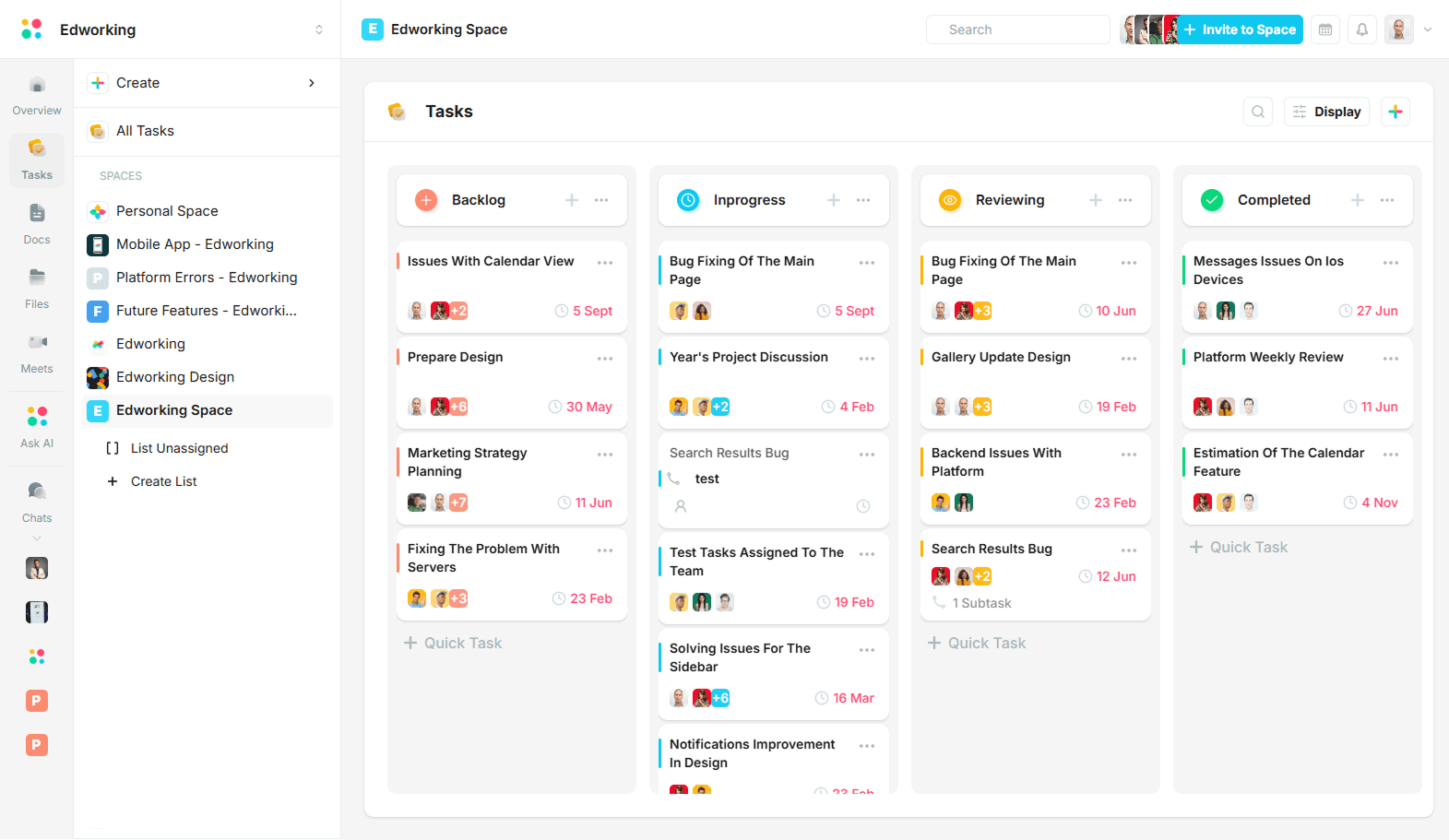
Edworking helps organize and track work easily. Users can create tasks, assign them, and set deadlines. The platform shows progress in clear views.
| Feature | Benefit |
|---|---|
| Task creation and assignment | Keeps everyone responsible and on track |
| Project timelines and deadlines | Helps meet goals without delays |
| Status updates and progress tracking | Shows team progress clearly |
These features reduce confusion and missed deadlines. Teams work with clear goals and timelines.
Integration With Third-party Apps And Workflow Automation
Edworking connects with popular apps to save time. It supports automations to reduce repetitive tasks. This means less manual work.
- Syncs files and data from other tools
- Automates routine actions like reminders
- Improves workflow efficiency
Teams spend more time on important tasks. Automation limits errors from manual input.
User Interface And Ease Of Use For Efficient Workflows
The Edworking interface is clean and intuitive. Users find key features fast. The design avoids clutter and confusion.
- Simple menus and clear icons
- Drag-and-drop for managing tasks
- Quick access to chats, files, and calls
This ease of use lets teams focus on work, not learning the tool. It supports smooth and efficient daily workflows.
Key Features Of Microsoft Teams And Their Productivity Benefits
Microsoft Teams offers a wide range of features designed to enhance workplace productivity. It combines communication, collaboration, and file management into one platform. Teams help employees work together smoothly, saving time and reducing confusion. The key features support different work styles and make teamwork easier.
Comprehensive Communication Channels: Chat, Calls, And Meetings
Microsoft Teams provides multiple ways to connect. Users can send instant messages, make voice or video calls, and host online meetings. The chat feature supports group and private conversations, keeping discussions organized.
- Persistent chat: Conversations stay saved for easy reference.
- High-quality video calls: Enables clear virtual meetings.
- Meeting scheduling: Integrates with Outlook for easy planning.
This variety of communication tools reduces the need for switching apps. Teams can quickly share ideas and solve problems in real time.
Robust File Sharing And Collaborative Document Editing
Teams makes file sharing simple and secure. Users can upload, share, and edit documents together without leaving the app.
- Real-time co-authoring: Multiple users edit documents simultaneously.
- Version control: Keeps track of changes and restores old versions.
- Easy access: Files are stored in integrated SharePoint libraries.
This feature supports faster project progress and reduces email clutter. Collaboration becomes seamless, even across locations.
Deep Integration With Microsoft 365 Suite
Teams works tightly with Microsoft 365 apps like Word, Excel, PowerPoint, and OneNote.
| App | Benefit in Teams |
|---|---|
| Word | Edit documents inside Teams without switching apps |
| Excel | View and update spreadsheets collaboratively |
| PowerPoint | Create and review presentations with team input |
| OneNote | Take shared notes accessible by all team members |
This integration saves time and makes work more efficient. It keeps all tools and files in one place, reducing distractions.
Security And Compliance Features For Enterprise Needs
Microsoft Teams offers strong security measures to protect data and meet business rules.
- Data encryption: Protects information in transit and at rest.
- Multi-factor authentication: Adds extra user verification for access.
- Compliance certifications: Meets industry standards like GDPR and HIPAA.
- Advanced threat protection: Detects and blocks harmful content.
These features ensure sensitive information stays safe. Teams supports large organizations that need strict security controls.
Pricing And Affordability Breakdown
Choosing the right collaboration tool depends heavily on pricing and value. Both Edworking and Microsoft Teams offer plans to fit different needs. Understanding their costs and what features come with each plan helps businesses decide which platform suits them best. This section breaks down their pricing and compares affordability.
Edworking Pricing Plans: Value For Different User Segments
Edworking offers a simple pricing model designed to cover various user needs. Its plans focus on combining multiple work functions into one place, including tasks, files, videocalls, chats, docs, and stories.
| Plan | Price | Key Features |
|---|---|---|
| Free | $0 | Basic chat, task management, limited storage |
| Pro | $8/user/month | Unlimited projects, video calls, file storage, integrations |
| Business | Custom pricing | Advanced security, admin controls, priority support |
Edworking’s pricing aims to serve freelancers, small teams, and growing businesses with scalable options.
Microsoft Teams Pricing Structure And Included Features
Microsoft Teams pricing is usually bundled with Microsoft 365 subscriptions, offering a range of options for users.
| Plan | Price | Key Features |
|---|---|---|
| Free | $0 | Unlimited chat, video calls (up to 60 mins), 5GB file storage |
| Microsoft 365 Business Basic | $6/user/month | 1TB storage, custom emails, meetings up to 300 participants |
| Microsoft 365 Business Standard | $12.50/user/month | Desktop apps, advanced collaboration tools, 1TB storage |
Microsoft Teams serves individuals to enterprises, integrating deeply with Microsoft’s ecosystem.
Cost-effectiveness: Comparing Roi For Small And Large Teams
Small teams may find Edworking’s straightforward pricing more affordable. The Pro plan’s features cover essential collaboration needs at a competitive price.
- Edworking offers unified tools without extra costs for add-ons.
- Microsoft Teams’ free plan suits small groups but limits meeting times and storage.
- Paid Microsoft plans offer more apps but at higher monthly fees.
For large teams, Microsoft Teams’ integration with Office apps can improve productivity. Its advanced features and support justify the higher price for many businesses.
- Edworking scales with simpler pricing, ideal for mid-sized teams.
- Microsoft Teams provides extensive tools but requires investment in Microsoft 365.
Return on investment depends on team size, needed features, and existing software. Edworking’s all-in-one approach can reduce tool overlap costs. Microsoft Teams may offer better value if Microsoft apps are already in use.
Pros And Cons Based On Real-world Usage
Choosing the right collaboration tool impacts team productivity and communication. Edworking and Microsoft Teams offer unique features and challenges. Understanding their strengths and weaknesses helps teams work smarter.
Advantages Of Using Edworking For Productivity
Edworking combines many tools in one platform. Teams get tasks, files, video calls, chats, and docs in a single space.
- All-in-One Workspace: No need to switch apps for chats, calls, or file sharing.
- Simple User Interface: Easy for new users to start collaborating quickly.
- Story Feature: Helps teams share updates and project progress visually.
- Task Management: Clear task lists keep everyone on track.
- Integrated Video Calls: Fast communication without leaving the platform.
This setup reduces time lost moving between apps. Teams can focus on work instead of tech hurdles.
Limitations And Challenges With Edworking
Edworking is newer and less known than Microsoft Teams. This brings some limitations.
- Smaller User Base: Less community support and fewer third-party integrations.
- Limited Advanced Features: Missing some enterprise tools like advanced security controls.
- Performance: Occasional slowdowns reported with large teams or heavy files.
- Learning Curve: Some users find the all-in-one layout confusing at first.
Edworking fits small to medium teams well but may struggle with complex corporate needs.
Advantages Of Using Microsoft Teams For Productivity
Microsoft Teams is a powerful tool widely used in many industries.
- Deep Office 365 Integration: Seamless with Word, Excel, Outlook, and SharePoint.
- Robust Security: Strong data protection and compliance features.
- Scalability: Works well for small groups and large enterprises alike.
- Rich Communication Options: Chat, video, voice, and threaded conversations.
- App Ecosystem: Supports many third-party apps and custom bots.
Teams benefit from reliable performance and constant feature updates.
Limitations And Challenges With Microsoft Teams
Microsoft Teams can be complex and heavy for some users.
- Steep Learning Curve: New users may need training to use all features.
- Interface Overload: Many options can overwhelm small teams.
- Resource Intensive: Requires good internet and hardware for smooth video calls.
- Cost: Full features often require expensive Microsoft 365 subscriptions.
Teams may be less flexible for simple projects or smaller teams with limited budgets.
Credit: edworking.com
Recommendations For Ideal Users And Use Cases
Choosing between Edworking and Microsoft Teams depends on the team’s size, needs, and work style. Each platform offers unique strengths. Understanding these helps find the right fit for collaboration and communication.
Who Should Choose Edworking: Best Scenarios And Team Types
Edworking suits small to medium teams focusing on simplicity and all-in-one collaboration. It combines tasks, files, chats, video calls, and documents in one place.
- Startups and small businesses needing easy-to-use tools without complex setup.
- Creative teams that work on shared stories, documents, and brainstorming together.
- Remote teams wanting a single platform for communication and task tracking.
- Project groups that prefer integrated task management and quick video chats.
Edworking works best when teams want to reduce app switching and keep everything organized simply.
Who Should Opt For Microsoft Teams: Ideal Environments And Industries
Microsoft Teams fits larger organizations and businesses needing strong integration with Microsoft 365 apps.
- Enterprises requiring advanced security and compliance features.
- Education institutions using Teams for classes, assignments, and group projects.
- Industries like finance, healthcare, and government where data protection is critical.
- Teams working heavily with Office apps like Word, Excel, and PowerPoint.
Teams shines in environments needing extensive collaboration tools and integration across departments.
Hybrid Use: When Combining Both Tools Makes Sense
Some organizations benefit from using both Edworking and Microsoft Teams together. This approach works when different teams have varied needs.
| Scenario | Use of Edworking | Use of Microsoft Teams |
|---|---|---|
| Creative department | Task tracking, chats, and video calls in one simple app | Minimal use or none |
| Corporate teams | Occasional project management or quick collaboration | Daily communication, file sharing, and meetings integrated with Office 365 |
| Remote and onsite staff | Remote teams use Edworking for streamlined workflows | Onsite teams rely on Microsoft Teams for compliance and complex workflows |
This hybrid strategy allows teams to enjoy the best tools for their tasks without forcing one platform on all.
Conclusion: Making The Right Productivity Tool Choice
Choosing between Edworking and Microsoft Teams affects how teams collaborate daily. Both tools offer unique features that boost productivity. Understanding their differences helps pick the best fit for your needs.
Summary Of Key Differences And Strengths
| Feature | Edworking | Microsoft Teams |
|---|---|---|
| All-in-One Workspace | Combines tasks, files, videocalls, chats, docs, and stories in one place | Focuses on chat, meetings, and file sharing integrated with Microsoft 365 apps |
| User Interface | Simple and intuitive for easy navigation | Feature-rich but can feel complex for new users |
| Collaboration | Designed to keep all communication and work together seamlessly | Strong integration with Office apps enables smooth teamwork |
| Video Calls | Built-in videocalls integrated with task and chat features | High-quality video meetings with advanced scheduling options |
| Pricing | Affordable options suitable for small to medium teams | Varies, often included with Microsoft 365 subscriptions |
Final Thoughts On Enhancing Productivity With Edworking Or Microsoft Teams
Edworking works well for teams needing a simple, unified platform. It keeps tasks, chats, and calls in one place. This reduces app switching and saves time.
Microsoft Teams suits organizations already using Microsoft 365. It offers deep integration with familiar tools like Word and Excel. Teams provides robust meeting and chat features for diverse workflows.
Consider team size, existing tools, and budget. Choose the platform that fits your work style best. Both tools improve communication and task management.
Frequently Asked Questions
What Are The Main Differences Between Edworking And Microsoft Teams?
Edworking focuses on workforce management and training. Microsoft Teams centers on communication and collaboration. Edworking offers task tracking, while Teams provides chat, video calls, and file sharing. Both improve productivity but serve distinct business needs.
Which Platform Suits Remote Team Collaboration Better?
Microsoft Teams excels in remote collaboration with video conferencing, chat, and app integration. Edworking is better for managing employee tasks and training remotely. For team communication, Teams is ideal; for workforce coordination, Edworking is preferred.
Can Edworking Integrate With Microsoft Teams?
Yes, Edworking can integrate with Microsoft Teams. This integration streamlines communication and task management. It enhances workflow by combining Teams’ collaboration tools with Edworking’s workforce management features. Integration boosts productivity and simplifies employee coordination.
How Do Pricing Models Compare Between Edworking And Microsoft Teams?
Microsoft Teams offers a free plan with basic features and paid plans for advanced tools. Edworking pricing varies based on workforce size and features needed. Teams is generally cost-effective for communication; Edworking is tailored for workforce management budgets.
Conclusion
Choosing between Edworking and Microsoft Teams depends on your needs. Edworking brings tasks, files, chats, and calls all in one place. Microsoft Teams offers strong integration with Microsoft apps. Edworking’s simple design suits teams wanting easy collaboration. Microsoft Teams fits larger organizations with complex workflows. Both tools help teams work better together. Try Edworking to see if it fits your style. Learn more about Edworking here. Make your team’s work smoother and clearer today.