Are you tired of struggling to find the right words for your emails? Whether you’re a freelancer or working with clients, clear and professional communication can make all the difference.
That’s where Per My Last Email comes in. This handy tool offers quick, effective email templates designed to save you time and stress. Imagine sending your messages with confidence, knowing they sound polished and get results every time. Curious about how these features can transform your email game? Keep reading to discover why Per My Last Email might be exactly what you need to make your next email a breeze.
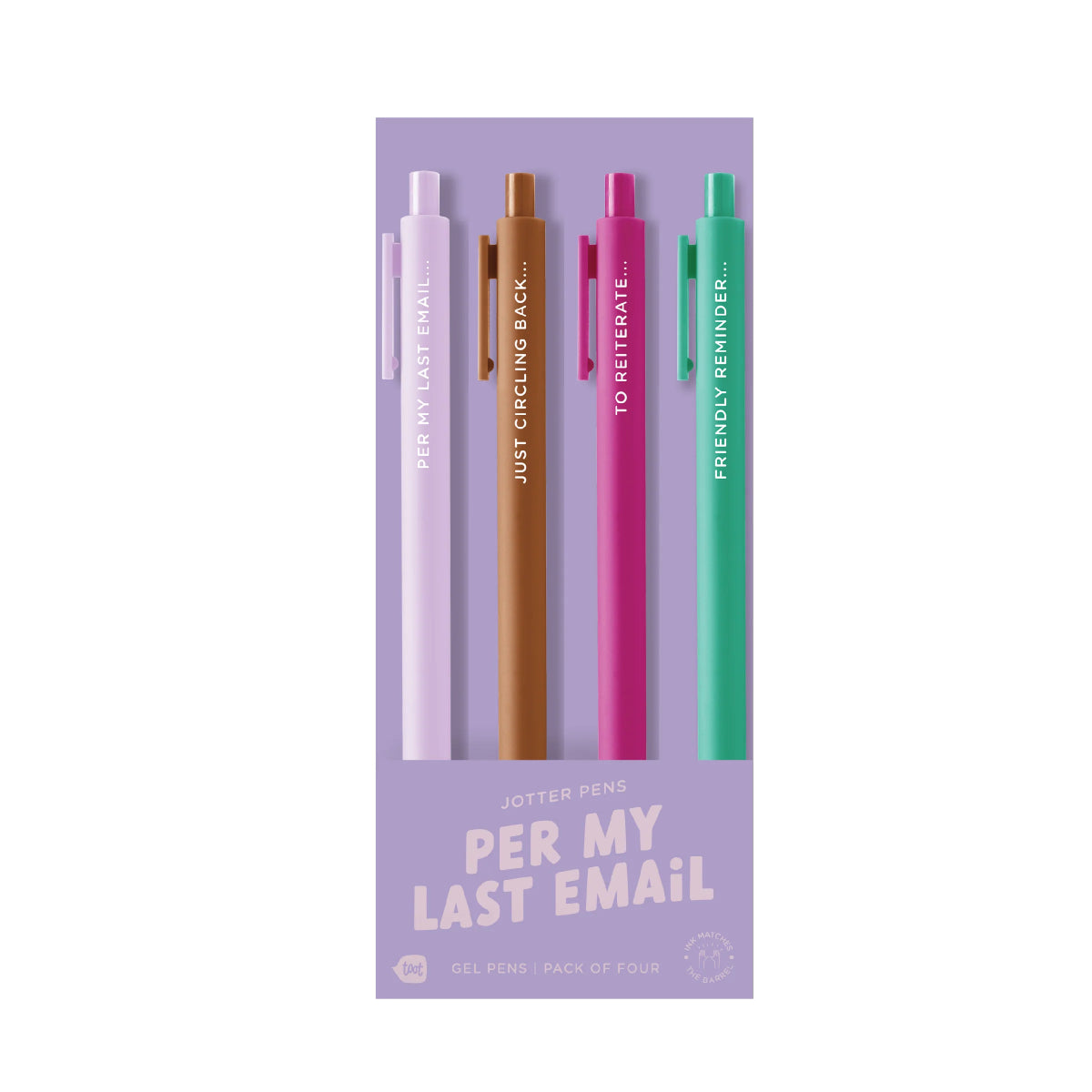
Credit: shophelloworld.com
Introduction To ‘per My Last Email’ And Its Communication Role
‘Per My Last Email’ is a phrase often used in professional emails. It helps remind the reader of information already shared. This phrase plays a key role in clear and polite communication.
Using ‘Per My Last Email’ correctly ensures messages stay clear and respectful. It helps avoid confusion and repeats without sounding rude. This makes it a useful tool in business and freelance communication.
Understanding The Phrase And Its Common Usage
‘Per My Last Email’ means “as I mentioned before” or “referring to my previous message.”
This phrase usually appears when:
- You want to remind someone of important details.
- You need to point out something overlooked.
- You want to encourage a response or action politely.
People use it to keep emails professional and avoid repetition. It signals that the sender expects the recipient to review earlier communication.
Why Effective Email Communication Matters In Professional Settings
Clear emails save time. They reduce back-and-forth messages and misunderstandings.
Good email skills:
- Build trust between freelancers and clients.
- Help manage expectations and deadlines.
- Improve teamwork and project success.
Poor communication can cause:
- Missed deadlines
- Conflicts
- Lost business opportunities
Using phrases like 'Per My Last Email' supports professionalism. It gently reminds others while keeping tone polite and respectful.
Key Features Of Using ‘per My Last Email’ Effectively
‘Per My Last Email’ is a phrase many use to reference prior communication. Using it well helps keep emails clear and professional. This tool guides freelancers and clients to communicate without confusion or frustration.
Effective use of this phrase can improve email clarity, maintain respect, and prompt quick replies. Below are the main features to focus on for best results.
Clarifying Previous Messages To Avoid Misunderstandings
This phrase helps remind the recipient about earlier points without repeating everything. It points to past emails gently, so readers can check details if needed.
- Prevents confusion: Keeps everyone on the same page.
- Saves time: Avoids rewriting long explanations.
- References facts: Supports your message with earlier details.
Use it to clear up doubts politely and keep communication smooth.
Maintaining Professional Tone While Being Assertive
‘Per My Last Email’ helps stay firm but polite. It shows you are serious without sounding rude or angry.
- Respectful language: Use calm words around the phrase.
- Confidence: Show you expect attention to your previous email.
- Neutral tone: Avoid emotional or harsh expressions.
This balance builds trust and keeps work relations positive.
Encouraging Prompt Responses Without Seeming Aggressive
The phrase signals a need for a reply without pressure. It gently nudges the recipient to respond on time.
| Benefit | How It Works |
|---|---|
| Polite reminder | Refers to earlier email calmly, prompting action. |
| Non-aggressive tone | Uses neutral language to avoid conflict. |
| Encourages follow-up | Makes it clear that a response is needed. |
Use this phrase to keep conversations moving without tension.
Pricing And Affordability Of Communication Improvement Tools
Effective communication tools help improve email clarity and professionalism. Pricing plays a key role in choosing the right solution. Many options range from free to paid tools and training programs. Understanding costs and benefits helps freelancers and clients pick the best fit. Affordable tools can boost productivity without straining budgets.
Free And Paid Email Management Tools To Enhance Clarity
Several tools assist in crafting clear emails. Many free tools offer basic templates and grammar checks. Paid options like Per My Last Email provide specialized email templates designed for freelancers and clients. This product simplifies writing polite follow-ups and professional messages.
| Tool Type | Features | Price Range |
|---|---|---|
| Free Tools | Basic templates, grammar checks, spell check | Free |
| Paid Tools (e.g., Per My Last Email) | Quick email templates, tailored for freelancers, client communication | Affordable one-time fee or subscription |
Free tools suit beginners or casual users. Paid tools offer better quality and time-saving benefits. Investing in specialized templates reduces email writing time and improves clarity.
Cost-benefit Analysis Of Investing In Communication Training
Communication training improves email skills beyond tools. It teaches tone, structure, and professionalism. Training costs vary based on format and provider.
- Online courses: $50 to $500
- Workshops and webinars: $100 to $1,000
- One-on-one coaching: $200 to $2,000
Benefits of training include:
- Reduced misunderstandings
- Faster email responses
- Stronger client relationships
- Improved project success rates
Training costs can seem high but often pay off through better communication. Combining tools like Per My Last Email with training maximizes results at a reasonable price.

Credit: www.amazon.com
Pros And Cons Of Using ‘per My Last Email’ In Communication
Using the phrase “Per My Last Email” in messages has both benefits and drawbacks. It serves as a polite reminder to readers about previous information. This phrase helps keep communication clear and efficient. Yet, it can also cause misunderstandings or seem harsh if not used carefully. Understanding its pros and cons helps improve email follow-ups and relationships.
Advantages: Improving Follow-up Efficiency And Accountability
“Per My Last Email” speeds up follow-ups by gently reminding recipients about earlier messages. It reduces the need to repeat information, saving time for both sender and receiver.
- Encourages prompt responses.
- Keeps the conversation focused.
- Helps track communication history.
- Promotes accountability by referencing previous points.
This phrase sets a clear context, making it easier to clarify details without sounding demanding. It also aids freelancers and clients in managing multiple tasks smoothly.
Disadvantages: Risks Of Misinterpretation And Perceived Tone
The phrase can sometimes come off as passive-aggressive or impatient. Recipients may misunderstand the tone, feeling criticized or annoyed.
- May seem rude if overused or poorly timed.
- Can create tension in professional relationships.
- Risk of sounding repetitive or condescending.
Emails lack voice tone and facial cues, so readers might read more into the message than intended. This effect is stronger in cross-cultural or language-diverse settings.
Balancing Assertiveness With Politeness In Email Follow-ups
Using “Per My Last Email” requires a balance between firm reminders and polite language. Here are some tips to maintain this balance:
- Pair the phrase with friendly greetings or thank-you notes.
- Use softening words like “just” or “kindly” to reduce harshness.
- Limit usage to important follow-ups only.
- Consider alternative phrases like “As mentioned earlier” or “Following up on my previous email.”
Clear, respectful language builds trust and encourages cooperation. It makes emails feel helpful, not confrontational.
Recommendations For Ideal Users And Scenarios
Per My Last Email is a handy tool for clear and polite email follow-ups. It suits freelancers and clients who need quick, effective communication. Understanding the right moments and methods to use this phrase enhances professionalism and saves time.
Below, find tailored advice for using Per My Last Email in different contexts, ensuring your emails stay respectful and impactful.
When To Use ‘per My Last Email’ For Maximum Impact
- Follow-up reminders: Gently remind recipients about previous requests or information.
- Unanswered emails: Address a lack of response without sounding impatient.
- Clarification needs: Point back to earlier details to avoid misunderstandings.
- Project updates: Ensure all parties are aligned by referencing prior communications.
This phrase works best when the tone stays polite and professional. It helps maintain clarity and reduces repeated explanations.
Best Practices For Different Professional Environments
| Environment | How to Use ‘Per My Last Email’ | Tips |
|---|---|---|
| Freelancing | Use for polite reminders about deadlines or project details. | Keep tone friendly; add a positive note to build rapport. |
| Corporate | Refer to previous emails to maintain formality and record-keeping. | Pair with clear action points to avoid confusion. |
| Client Communication | Highlight earlier agreements or feedback requests tactfully. | Use simple language and avoid sounding demanding. |
Alternatives And Complementary Phrases To Enhance Communication
Using different phrases helps keep emails fresh and respectful. Here are some alternatives:
- “As mentioned earlier” – Soft reference to past emails.
- “Just to follow up” – Polite way to check on progress.
- “To clarify” – Emphasizes the need for understanding details.
- “As previously discussed” – Useful in formal contexts.
Combine these with Per My Last Email to improve tone and clarity.
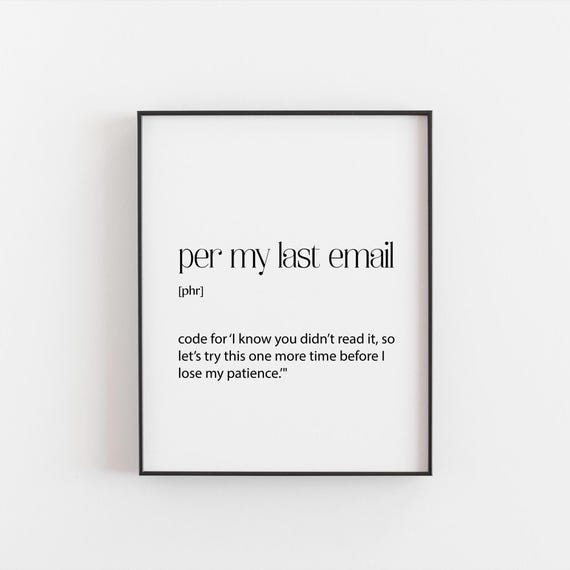
Credit: www.etsy.com
Frequently Asked Questions
What Are The Key Features Of “per My Last Email”?
“Per My Last Email” highlights clarity, professionalism, and polite reminders. It helps reinforce previous messages without sounding rude or impatient. The phrase ensures communication remains clear and respectful, encouraging prompt responses while maintaining good email etiquette.
How Does “per My Last Email” Improve Email Communication?
It improves communication by gently reminding recipients of prior information. This phrase minimizes misunderstandings and reduces repetitive questions. It keeps conversations focused and professional, enhancing response efficiency and fostering better workplace interactions.
When Should You Use “per My Last Email” Appropriately?
Use it when a previous email was ignored or unanswered. It’s best for professional settings to nudge recipients without appearing confrontational. Avoid overusing it to maintain tone and prevent sounding passive-aggressive or impatient.
Can “per My Last Email” Sound Rude Or Passive-aggressive?
Yes, if overused or used without tact, it can sound rude. To avoid this, pair it with polite language and context. Use it sparingly to maintain professionalism and positive communication tone.
Conclusion
Per My Last Email helps you write clear, polite follow-ups. It saves time by offering ready-to-use email templates. Freelancers and clients find it easier to stay professional. Writing emails no longer feels stressful or complicated. Try it to improve your email communication today. See how it works here: Per My Last Email.