
Imagine a video call where you’re not just staring at a screen but truly interacting—sharing ideas, polling opinions, and breaking into small groups effortlessly. That’s exactly what video conferencing with interactive features can do for your meetings, classes, or events.
If you want to keep everyone engaged and make your online sessions more productive, you need tools that go beyond basic video. Vivomeetings offers you all this and more, with easy-to-use breakout rooms, live polls, Q&A sessions, and seamless content sharing. Ready to transform your virtual gatherings into dynamic, interactive experiences? Check out Vivomeetings and see how simple and powerful your video conferencing can become.
Introduction To Video Conferencing With Interactive Features
Video conferencing has transformed the way people connect across distances. Adding interactive features makes virtual meetings more engaging and productive. These tools help users communicate clearly, share ideas, and collaborate effectively in real time.
Interactive video conferencing goes beyond simple face-to-face talks. It brings dynamic elements that keep participants involved and improve understanding. This introduction explains how video conferencing evolved, why interactivity is essential, and what features are most common.
Understanding The Evolution Of Video Conferencing
Video conferencing started as a basic video call system. Early platforms had limited functions and were hard to use. Over time, technology improved, allowing higher quality video and easier access.
Today’s platforms support multiple participants, screen sharing, and cloud connectivity. They work on various devices like smartphones, tablets, and computers. This evolution made remote work, learning, and events possible worldwide.
Why Interactivity Matters In Virtual Meetings
Simple video calls can feel boring or one-sided. Interactive features make meetings lively and engaging. They encourage participation and help hold attention.
- Boost engagement: Polls, Q&A, and chat keep attendees active.
- Enhance collaboration: Breakout rooms and screen sharing support teamwork.
- Improve understanding: Real-time feedback helps clarify points quickly.
Interactivity turns passive viewers into active contributors. It creates a better meeting experience for everyone.
Overview Of Common Interactive Features
Many video conferencing tools offer interactive functions. Here are some popular features:
| Feature | Description | Benefit |
|---|---|---|
| Breakout Rooms | Small group sessions within a larger meeting | Supports focused discussions and teamwork |
| Polls | Live surveys to gather instant opinions | Encourages participation and decision-making |
| QA | Allows attendees to ask questions during sessions | Improves clarity and interaction |
| Live Chat | Text messaging alongside video | Enables side conversations and quick feedback |
| Content Sharing | Sharing screens or files during meetings | Enhances collaboration and understanding |
These features help make virtual meetings more effective. Platforms like Vivomeetings combine these tools in one easy-to-use service.
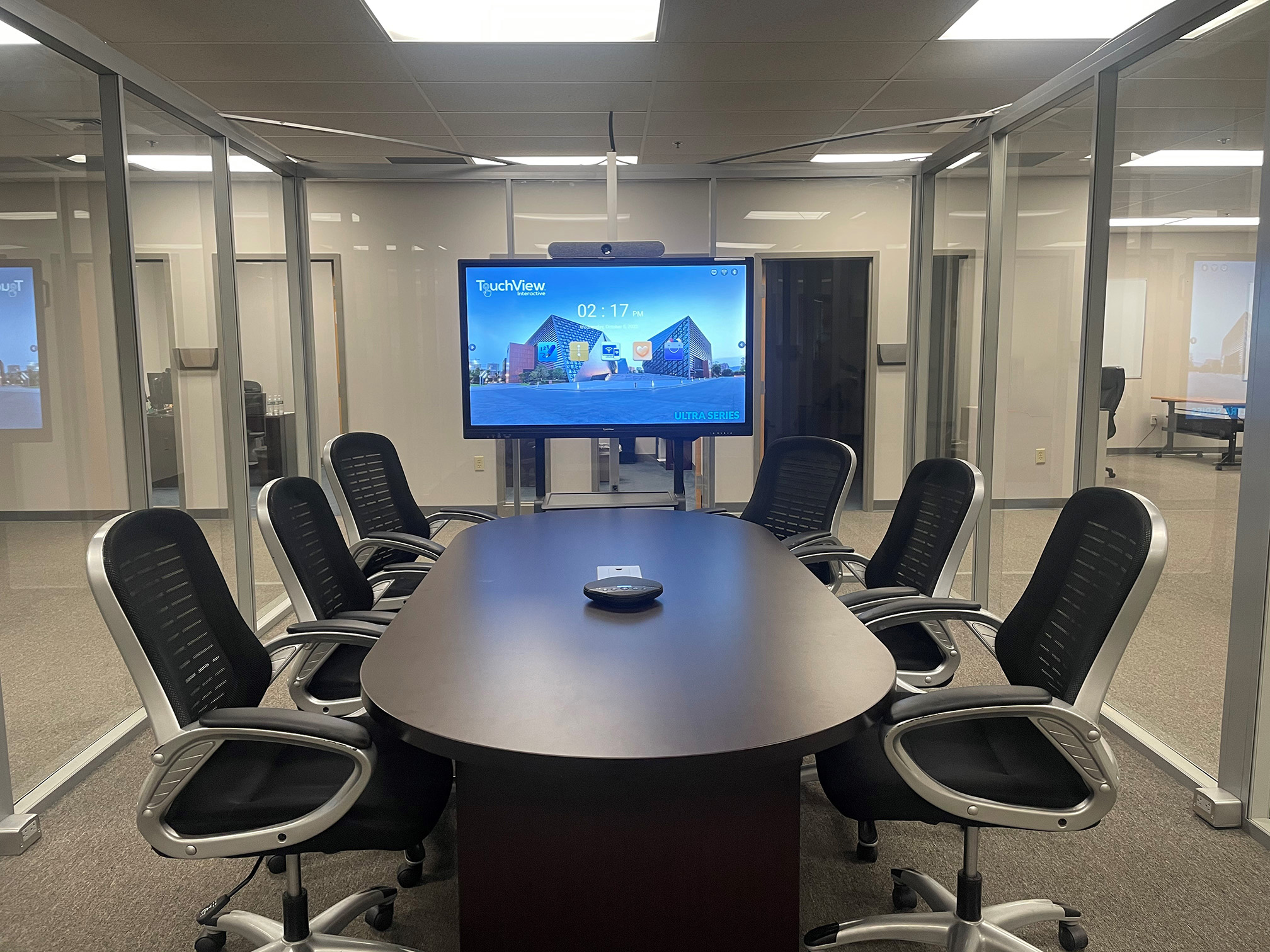
Credit: www.touchview.com
Key Interactive Features That Enhance Engagement
Interactive features in video conferencing make meetings livelier and more productive. These tools invite participants to join actively instead of just watching. Engagement rises when users share ideas, ask questions, and collaborate visually. Vivomeetings offers several such features that fit different meeting needs. They help remote teams, educators, and event hosts connect clearly and effectively.
Real-time Polling And Q&a: Driving Active Participation
Polls and Q&A sessions spark direct involvement from attendees.
- Polling gathers instant opinions or votes.
- QA lets participants ask questions during the meeting.
- Hosts can see answers live and respond quickly.
These features keep energy high and make everyone feel heard. They also help speakers adjust content based on audience needs.
Breakout Rooms: Facilitating Focused Group Discussions
Breakout rooms split larger meetings into small groups.
- Participants discuss specific topics in private spaces.
- Groups can brainstorm, solve problems, or work on tasks.
- Hosts manage rooms and move between them easily.
This setup encourages deeper conversation and teamwork. It works well for workshops, classes, and team meetings.
Screen Sharing And Collaborative Whiteboards: Boosting Visual Collaboration
Visual tools help explain ideas clearly and fast.
- Screen sharing shows apps, documents, or presentations live.
- Whiteboards allow drawing, writing, and annotating together.
These features let users work on plans or designs as a group. They reduce confusion and speed up decision-making.
Live Chat And Reactions: Encouraging Instant Feedback
Chat and reaction options keep conversations flowing alongside video.
- Live chat lets attendees type messages anytime.
- Reactions like thumbs-up or claps show feelings quickly.
- Both tools help shy participants join in without speaking.
This quick feedback loop helps speakers adjust tone or pace. It also builds connection among attendees.
Virtual Backgrounds And Filters: Creating A Comfortable Environment
Backgrounds and filters help users control their video appearance.
- Virtual backgrounds hide messy rooms or add fun scenes.
- Filters improve lighting or add subtle effects.
These options reduce distractions and boost confidence. They make video calls feel more relaxed and personal.
How Interactive Features Solve Common Video Conferencing Challenges
Interactive features transform video conferencing into a dynamic experience. They address typical issues like fatigue, miscommunication, and distraction. By adding engagement tools, meetings become more productive and enjoyable. Vivomeetings offers such features to improve remote collaboration seamlessly.
Reducing Meeting Fatigue Through Engagement
Long video calls cause meeting fatigue. People lose interest and energy. Interactive tools keep participants active and alert. Features like polls, breakout rooms, and live chat boost involvement.
- Polls: Quick questions break monotony and gather instant feedback.
- Breakout rooms: Small groups encourage discussion and teamwork.
- Live chat: Allows side conversations and sharing ideas without interrupting.
These elements refresh minds and maintain energy throughout sessions.
Overcoming Communication Barriers In Remote Settings
Remote settings often cause misunderstandings. Lack of non-verbal cues and delayed responses create barriers. Interactive features bridge these gaps.
- Q&A sessions: Clear up doubts instantly and promote transparency.
- Content sharing: Visual aids improve clarity and understanding.
- Voice and video integration: Keeps conversations natural and connected.
Vivomeetings combines these tools to make remote communication clearer and smoother.
Enhancing Focus And Attention During Sessions
Distractions disrupt focus during video calls. Interactive elements help keep attention sharp.
- Real-time feedback: Participants stay involved by reacting or answering.
- Structured agendas: Using polls and Q&A guides the flow clearly.
- Interactive content: Videos, slides, and shared screens engage multiple senses.
These tools prevent wandering minds and improve session effectiveness.
Pricing And Affordability Of Interactive Video Conferencing Tools
Interactive video conferencing tools vary widely in pricing and features. Choosing the right tool depends on budget and the need for interactive capabilities. These tools offer plans ranging from free to premium subscriptions. Understanding their pricing helps you find a balance between cost and functionality.
Comparing Free Vs. Paid Plans And Their Interactive Capabilities
Free plans often include basic video and audio features but limit interactive tools like polls and breakout rooms. Paid plans unlock advanced features that enhance engagement during meetings.
| Feature | Free Plan | Paid Plan |
|---|---|---|
| Video & Voice Quality | Standard | High Definition |
| Breakout Rooms | Limited or None | Available |
| Polls & QA | Not Included | Included |
| Live Chat | Basic | Advanced with Moderation |
| Meeting Duration | Limited | Extended or Unlimited |
Value For Money: Balancing Features With Cost
Paid plans offer more interactive features that improve meeting quality. These include easy content sharing, live polls, and Q&A sessions. The cost is justified when these features increase productivity and engagement.
Free plans suit small groups or casual use but lack advanced tools. Businesses and educators benefit more from paid plans due to the need for richer interaction.
Subscription Models And Customization Options
Vivomeetings offers subscription plans that fit different needs. Monthly and annual billing options provide flexibility. Users can customize plans based on participant numbers and required features.
- Basic Plan: Ideal for small teams with essential interactive tools.
- Pro Plan: Adds breakout rooms, advanced polls, and longer meeting times.
- Enterprise Plan: Custom features, priority support, and high participant limits.
Customization allows paying only for needed features. This approach helps manage costs while enhancing meeting experiences.
Pros And Cons Of Using Interactive Video Conferencing Solutions
Interactive video conferencing platforms like Vivomeetings change how remote teams connect and work together. They add dynamic features such as breakout rooms, polls, Q&As, and live chat. These tools improve communication but also come with some challenges. Understanding the benefits and drawbacks helps users decide if interactive video conferencing fits their needs.
Advantages: Increased Engagement, Better Collaboration, And Flexibility
- Increased Engagement: Interactive features keep participants active. Polls and Q&A sessions encourage everyone to contribute. This reduces distractions and boosts focus during meetings.
- Better Collaboration: Breakout rooms allow small group discussions. Live chat lets users share ideas instantly. Sharing content in real-time supports clear understanding and faster decisions.
- Flexibility: Users join meetings from any device or location. Cloud-based platforms like Vivomeetings offer easy access without complex setup. Flexible scheduling and recorded sessions help participants catch up anytime.
Drawbacks: Technical Challenges And Learning Curves
- Technical Challenges: Video quality depends on internet speed. Poor connections cause lag or dropped calls. Hardware issues like microphones or cameras may disrupt sessions.
- Learning Curves: New users might find advanced features confusing. Some may need time to get comfortable with breakout rooms or polls. Training or practice improves user confidence.
User Experience Insights From Real-world Usage
Users of Vivomeetings report that interactive tools make meetings more lively. They appreciate the easy-to-use interface and smooth transitions between features. Participants mention that breakout rooms help solve problems faster.
Some users face initial setup issues but adapt quickly. Teams find that sharing screens and chatting during calls improves teamwork. The ability to record sessions is helpful for those who miss meetings.
| Feature | User Feedback | Impact |
|---|---|---|
| Breakout Rooms | Easy to create and manage | Improves focused discussions |
| Polls & QA | Engages participants actively | Boosts interaction and feedback |
| Live Chat | Useful for quick clarifications | Supports smoother communication |
| Video Quality | Varies with internet speed | Can affect meeting flow |

Credit: blog.webex.com
Recommendations For Ideal Users And Scenarios
Vivomeetings offers interactive video conferencing tools designed to suit different user needs and meeting types. Understanding the best users and scenarios helps maximize the platform’s benefits. Its features like breakout rooms, polls, Q&As, and live chat enhance engagement and collaboration.
Best Practices For Educators And Trainers
Educators and trainers benefit greatly from Vivomeetings’ interactive features. Use breakout rooms for group activities and discussions. Polls and Q&A sessions keep learners engaged and allow instant feedback.
- Plan sessions with clear learning objectives.
- Use polls to check understanding frequently.
- Encourage questions via live chat or Q&A.
- Divide large classes into breakout rooms for focused work.
These practices create an active learning environment and improve knowledge retention.
Optimizing Interactive Features For Business Meetings
Vivomeetings suits business meetings by promoting teamwork and clear communication. Use content sharing to present ideas visually. Polls help make quick decisions, and breakout rooms support smaller group discussions.
- Set clear agendas before the meeting.
- Engage participants with polls and chat.
- Use breakout rooms for brainstorming or problem-solving.
- Record sessions for future reference.
These steps lead to productive and focused meetings, saving time.
Suitability For Large Conferences Vs. Small Team Huddles
| Scenario | Vivomeetings Features | Recommended Use |
|---|---|---|
| Large Conferences | Breakout rooms, live polls, Q&A, cloud-based video |
|
| Small Team Huddles | Content sharing, voice and video, quick chat |
|
Vivomeetings adapts well to both large and small groups. Its ease of use supports different meeting sizes and goals.
Conclusion: Boosting Engagement Through Interactive Video Conferencing
Interactive video conferencing transforms remote meetings into dynamic, engaging experiences. Tools like Vivomeetings enhance virtual communication by adding features such as breakout rooms, polls, live chat, and Q&A sessions. These elements help participants stay focused, interact freely, and share ideas effectively.
Engagement rises when attendees feel involved, not just passive listeners. Interactive features break the monotony and spark collaboration. This leads to better understanding, stronger connections, and more productive meetings.
Summary Of Benefits And Key Takeaways
- Higher participant engagement: Polls and Q&As encourage active involvement.
- Improved collaboration: Breakout rooms enable focused group discussions.
- Clearer communication: Live chat and content sharing support real-time feedback.
- Accessibility: Cloud-based platforms like Vivomeetings work across devices and locations.
- Ease of use: Simple interfaces reduce barriers for all users.
These benefits create a more inclusive and interactive environment for remote teams and learners.
Future Trends In Video Conferencing Interactivity
Video conferencing continues to evolve with new interactive features emerging. Expect more use of AI-driven tools for automatic note-taking and sentiment analysis.
Virtual and augmented reality may enter mainstream video meetings, offering immersive experiences. Real-time language translation will also improve, making global meetings smoother.
Platforms will focus on personalized engagement, adapting features based on user behavior to keep everyone involved.
Encouraging Adoption For Enhanced Virtual Communication
- Start small: Introduce interactive features gradually to avoid overwhelming users.
- Provide training: Offer simple guides and demos to help users explore tools.
- Highlight benefits: Show how interactivity saves time and improves meeting outcomes.
- Gather feedback: Ask participants what works and adjust accordingly.
- Lead by example: Encourage hosts to use features actively to set the tone.
Adopting interactive video conferencing tools like Vivomeetings helps teams stay connected and productive in a virtual world.

Credit: www.dataprojections.com
Frequently Asked Questions
What Are Interactive Features In Video Conferencing?
Interactive features enhance engagement during video calls. They include polls, screen sharing, chat, and virtual whiteboards. These tools boost collaboration and make meetings more productive.
How Do Interactive Tools Improve Video Conferencing?
Interactive tools foster real-time communication and participation. They allow users to share ideas, ask questions, and collaborate effectively. This leads to better decision-making and team alignment.
Can Interactive Video Conferencing Increase Remote Team Productivity?
Yes, interactive features help remote teams stay connected. They encourage active involvement and smooth information flow. This improves focus, creativity, and overall productivity in virtual meetings.
What Security Measures Protect Interactive Video Calls?
Secure video conferencing uses end-to-end encryption, password protection, and waiting rooms. These features prevent unauthorized access and keep conversations confidential. Always choose platforms with robust security protocols.
Conclusion
Video conferencing with interactive features changes how we connect online. It makes meetings more engaging and helps everyone participate. Tools like polls, Q&A, and breakout rooms keep conversations lively. Clear video and easy sharing improve understanding across devices. Vivomeetings offers these features in a simple, cloud-based platform. Try Vivomeetings to make your remote meetings smoother and more interactive. Experience better online communication today.


